Feed Hygiene

Thursday, November 26, 2020
Toxin management: A key to profitable farming
Toxin word is derived from Latin word "Toxicum" means poison. Any small molecule, peptide or protein which has potential to alter the normal metabolism of host cells with deleterious effect comes under toxin. Animal feeds provides all the v ...
Friday, October 30, 2020
Achieving suckling pig survival rate of 99%: Zhengchang's feed expansion sterilisation and elimination of anti-nutritional factors
In an analysis report of domestic and foreign pig breeding technology experts, it is clearly pointed out that diarrhoea of ​​suckling pigs is the most important factor leading to their survival rate.
Tuesday, October 27, 2020
Fungisorb - complex sorbent neutralizer of toxins
To prevent the development of mycotoxicosis in animals, it is advisable to use mycotoxin binders. Russian manufacturer "Sibbiopharm" Ltd. offers a complex mineral-organic mycotoxin binder Fungisorb.
Tuesday, October 27, 2020
Main causes of changes in liver coloration in poultry
In many poultry markets around the world where chicken viscera are commonly sold in supermarkets, the appearance of the liver is very important for marketing purposes. Customers have a tendency to associate the health status of the birds wi ...
Tuesday, October 27, 2020
Leaky gut and mycotoxins aflatoxin B1 does not increase gut permeability in broiler chickens
Previous studies conducted in our laboratory have demonstrated that intestinal barrier function can be adversely affected by diet ingredients or feed restriction, resulting in increased intestinal inflammation-associated permeability. Two e ...
Monday, October 26, 2020
Emerging, masked mycotoxins pose threats to livestock production
As the 2020 harvest season gets underway in the northern hemisphere, Trouw Nutrition, a Nutreco company, is sharing information regarding the challenges posed by mycotoxins in feed ingredients, while highlighting the risks of emerging mycot ...
Friday, October 23, 2020
Differential effects of DON in swine and poultry
Deoxynivalenol (DON, vomitoxin) is the most common trichothecene Fusarium mycotoxin detected globally in contaminated raw materials and feeds. A recent (2019) Trouw Nutrition Global Mycotoxin Survey (Figure 1) has proved the same, wherein m ...
Friday, October 23, 2020
Screening of mycotoxins in the finished feed and protecting animals
One of the possible mycotoxin risk management strategies is that of testing for the presence of mycotoxins in finished feeds. Indeed, if some feed ingredients are only tested by means of rapid test kits, it is possible to miss some importan ...
Friday, October 23, 2020
Impact of two mycotoxins deoxynivalenol and fumonisin on pig intestinal health
Mycotoxins are secondary metabolites of fungi that grow on a variety of substrates. Due to their high consumption of cereals and their sensitivity, pigs are highly impacted by the presence of mycotoxins. At the European level, regulations a ...
Friday, October 16, 2020
A wide overview on mycotoxin risk management
Effective management of mycotoxins is key for animal production, especially with the trends moving towards antibiotic reduction or even antibiotic free production. There are different ways to manage mycotoxins, and to simplify, in this arti ...
Friday, October 16, 2020
Mitigating mycotoxins in poultry
Mycotoxins are prevalent in nearly all feed grains worldwide. Produced by fungi in cereal grains, corn and corn byproducts such as distillers dried grains (DDGS), mycotoxins in feed cause a cascade of problems in poultry production. Managin ...
Tuesday, October 13, 2020
Mycotoxins and biomarkers of exposure win the battle against mycotoxins
The difficulty in the mycotoxins detection in raw materials and feed, due to their heterogeneous distribution and their commonly low specific clinical manifestation, makes that many unknown problems are attributed to them. To end these "act ...
Friday, October 9, 2020
Aflatoxin M1 in milk and milk products: Impact and management
Aflatoxins (AF) are a group of mycotoxins produced by Aspergillus molds. Aflatoxins can be produced both in the field while the crop is under growth as well as during harvesting, storage and transport of raw materials and animal feeds.
Friday, October 9, 2020
Secure Storage
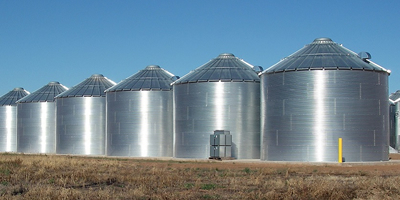
The safety and quality of feed materials, such as grain, is a high-profile topic of great importance. Grain is an important and significant source of contamination in the food chain and it also carries the risk of the consumers being expose ...
Friday, October 2, 2020
Combating (myco)toxin related stress
No doubt, mycotoxins present one of the biggest issues in modern animal farming. Recent evidence suggests that even low levels of multiple mycotoxins, under long-term field exposure, can impact the animal performance and health.

Follow Us

FacebookTwitterLinkedIn