


January 8, 2026
Dairy herd in Wisconsin, US, hit by HPAI linked to "spillover event" from wildlife
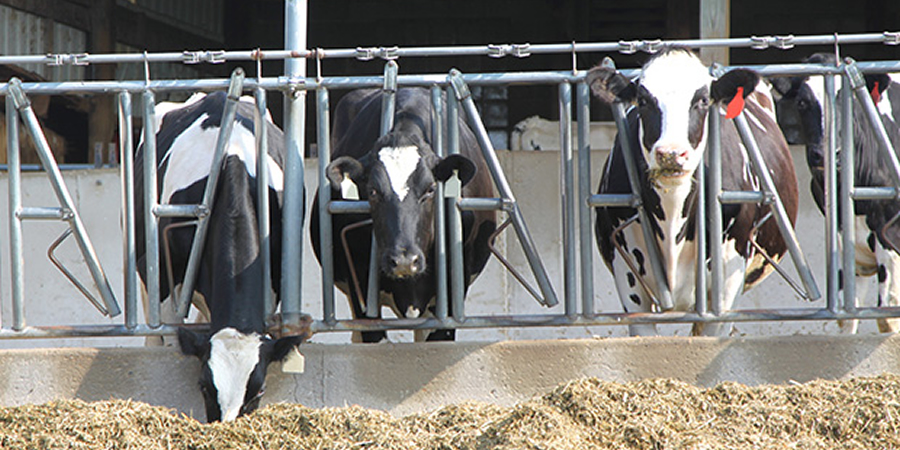
On December 14 last year, the US Department of Agriculture's Animal and Plant Health Inspection Service (APHIS) shared that a dairy herd became the first detected case of highly pathogenic avian influenza (HPAI) in Wisconsin, the United States.
Days later on December 17, the National Veterinary Services Laboratories (NVSL) completed a whole genome sequencing which confirmed that the virus detected in the Wisconsin dairy herds H5N1 clade 2.3.4.4b genotype D1.1 and indicated that this detection is a "new spillover event from wildlife into dairy cattle separate from previous events".
The virus was confirmed in the herd, which was made up of 500 cows, through the National Milk Testing Strategy, but the USDA disclosed that there is currently no reason for concern regarding the safety of commercial milk supplies or consumer health as the products are pasteurised before entering the market. Also currently, the CDC has stated that the health risk to humans for this virus is low.
Officials believe that the dairy herd in Wisconsin believe that the cattle was infected during a spillover event caused by wildlife. Keith Poulsen, DVM, PhD, DACVIM (LAIM), director of the Wisconsin Veterinary Diagnostic Laboratory, also explained that no cattle were moved on or off the affected farm and that nonclinical signs were noted in the herd. For this dairy herd, no other H5N1 cases were detected through the NMTS, cow movement testing, or other required testing for exhibition or sale within Wisconsin.
The Animal and Plant Health Inspection Service (APHIS) disclosed that there are no additional dairy herd identified as infected in association with this event.
Poulsen explained that the predominant H5N1 strain affecting dairy cattle in Arizona, California, Idaho, Nebraska, Texas is B3.13 clade, and was the result of a single spillover event in Texas in late 2023.
"Before the second week of December 2025, we thought that spillover risk was limited to desert areas where migratory birds may share water and feed sources. (US) Midwestern dairies typically do not have waterfowl flying around the free stall barns and there is plenty of food and water in the natural waterways," Poulsen explained.
"Having a D1 pop up in the upper Midwest, even if it is a one-off event, gives us pause, and we may need to rethink long-term management strategies. As long as HPAI is in global migratory flyways, we are going to have to think about spillover to dairy cows and domestic poultry," he continued.
The affected farm, located in Doge County in the southeastern part of the state, is under quarantine as the Wisconsin Department of Agriculture, Trade and Consumer Protection conducts an epidemiological traceback to ensure no further spread happened. The state will also return to monthly surveillance for the NMTS, a federal order that was implemented in December 2024 that requires raw milk sampling from silos across the US.
"Biosecurity is not a magic bullet for protection," Poulsen concluded. "…but it will reduce the time the herd is affected and in quarantine, increase the time to infection, and have fewer negative health effects for the herd."
- DVM360


