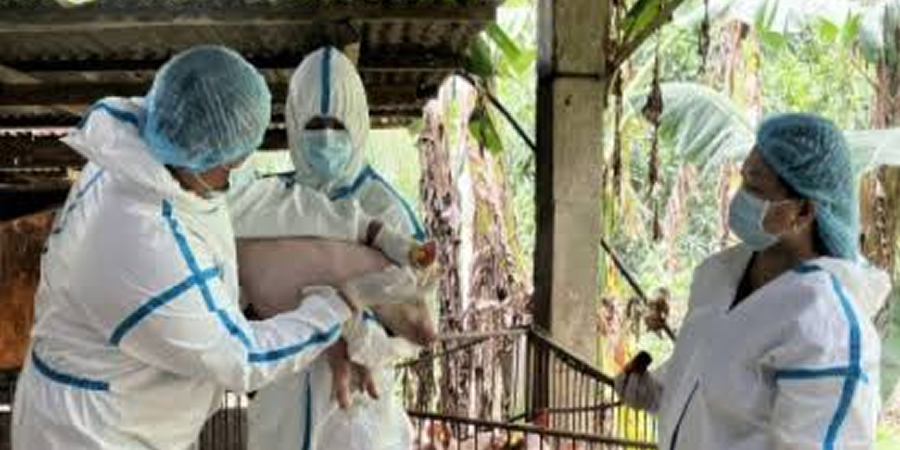

FAO unveils new blueprint for dealing with transboundary animal diseases globally
The Food and Agriculture Organization of the United Nations (FAO) has presented a blueprint for a new global approach to tackle transboundary animal diseases.
News, technical papers, webinars and market intelligence
The Food and Agriculture Organization of the United Nations (FAO) has presented a blueprint for a new global approach to tackle transboundary animal diseases.
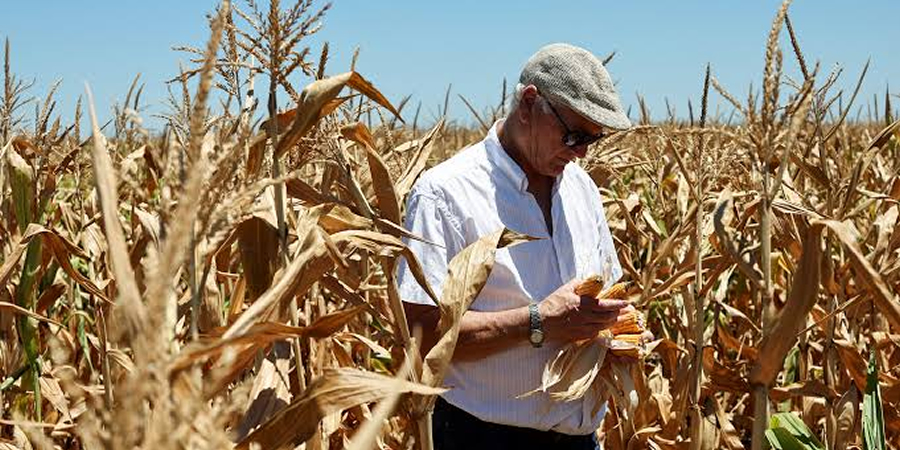
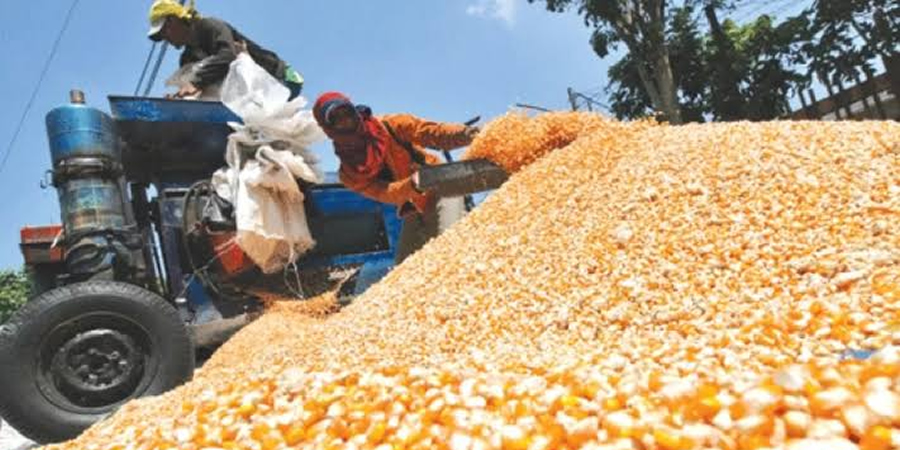
With corn production estimated at a record 61-63 million tonnes for MY2025/26, delayed harvesting due to high grain moisture and waterlogged fields is curbing near-term export flow, while soybean meal demand from the global feed industry continues to underpin oilseed trade.
Despite an 11% rise in revenue, a sharp contraction in gross margin from 21.5% to 15.4% pushed net profit down sharply, with the company completing 59.4% of its full-year profit target after six months.
The price reductions, which took effect in waves from 1 July 2026, cover swine, broiler, layer and aquafeed product lines across both multinational and domestic feed companies operating in Vietnam.
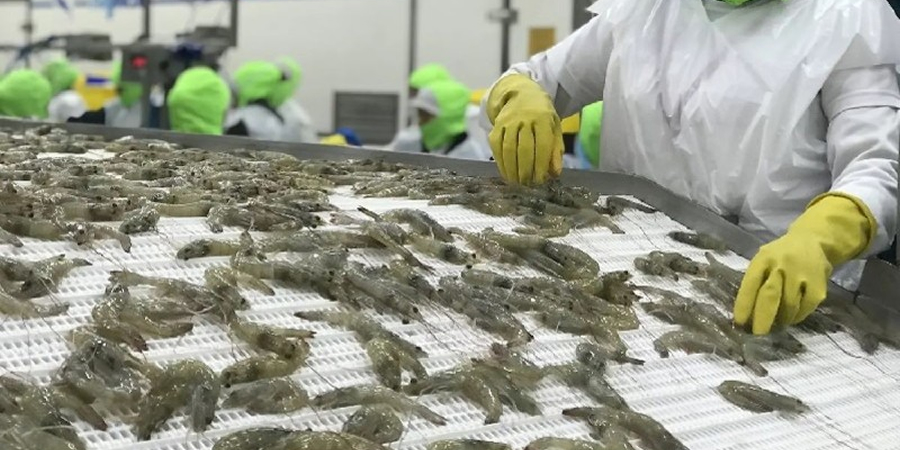
Lobster exports to China emerged as the industry's single biggest growth driver, while US-bound shipments fell 15% over the six-month period amid anti-dumping duties and tightened traceability requirements.
Researchers warn that trade-driven restrictions on veterinary antibiotic use have yet to translate into meaningful changes in domestic food-animal production practices.
The September-October delivery window coincides directly with Thailand's domestic corn harvest, drawing sharp criticism from field crop traders who say the timing will suppress farmgate prices at the worst possible moment.
Higher global beef prices and new trade deals under Argentine President Javier Milei are encouraging Argentina's ranchers to raise heavier cattle, betting on a sustained export boom that could reshape the country's meat industry.
Fonterra Co-operative Group Ltd has on July 13 updated its forecast 2026/27 Farmgate Milk Price off the back of declining prices at recent Global Dairy Trade (GDT) auctions.
The regulatory transfer comes as the commercial approval of a Vietnamese ASF live vaccine is expected as early as the third quarter of 2026.
Supply tightened as smaller producers cut flocks or exited during the downturn, but farmers say margins remain thin even as prices recover.
The sharp year-on-year rise partly reflects a low base from June 2025, when exports were disrupted by a now-resolved HPAI outbreak in Rio Grande do Sul state.
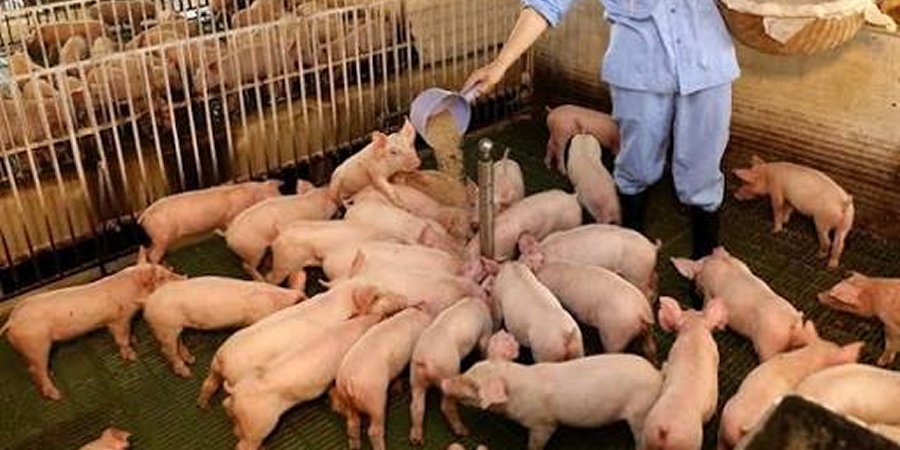
Overall herd growth continued despite the surge, with pig numbers up 2.2% and poultry up 3.1% year-on-year by end of June.
Southeast Asia's feed-to-meat value chain is navigating one of its most demanding periods in recent memory.
A pork industry leader in the Philippines is pushing for stronger domestic production and reduced dependence on imports, warning that limited local output continues to expose the country to supply risks and price instability, as efforts intensify to bolster Cebu's existing multibillion-peso pork industry.
The facilities will serve cattle, goats and buffaloes and are intended to standardise veterinary inspection, disease control and syariah-compliant slaughtering practices across the state.
The Commerce and Intellectual Property Committee has submitted four formal proposals to the Commerce Minister, including a temporary minimum farmgate price referenced to the three-month average cost of production.
Harvested area and production gains provide some relief for the poultry feed sector, though June-August output potential is forecast slightly below the same period in 2025.
Feed-sector demand is set to push corn consumption to 10.4 million tonnes in MY2026/27 even as domestic production falls, driving a 15% upward revision in import requirements.
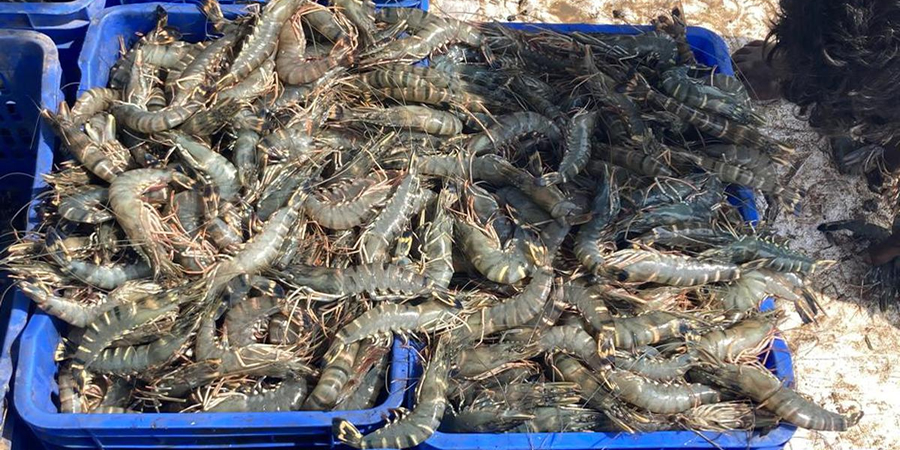
Rising freight costs linked to Middle East shipping disruptions have curtailed export activity from India's largest marine exporting state, forcing producers to offload stock at depressed domestic prices.
Showing 1–20 of 156