
Search eFeedLink

News, technical papers, webinars and market intelligence

search

161 results for “dow

News (156)

See all 156 news resultsarrow_forward

Technical Papers (5)

Tech Resources

BASF: Interplay between phytase supplementation, diet acidification and dietary calcium (Ca) level in broilers

Exogenous phytase is the most common enzyme in the feeding of non-ruminants. The world's first commercial phytase, Natuphos, capable of breaking down phytate, was introduced in the Netherlands in 1991. Today, the global phytase market is valued at around 450 million US dollars. By 2025, it could reach 600 million US dollars.

Dr. Yauheni Shastak and Dr. Dieter Feuerstein, BASF SE, Germany · Dr. Yauheni Shastak and Dr. Dieter Feuerstein, BASF SE, GermanyView paperarrow_forward
Tech Resources

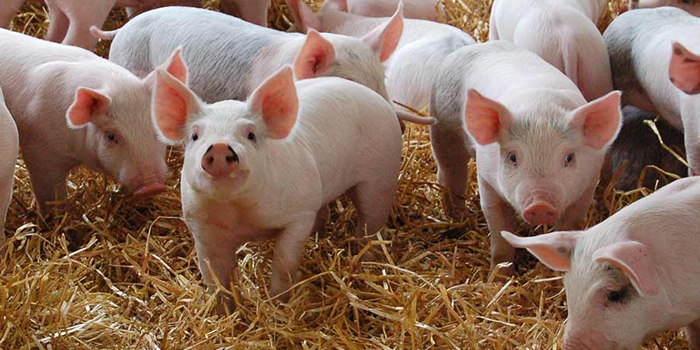
Using nutritional strategies to shape the gastro-intestinal tracks of suckling and weaned piglets

This is a comprehensive review on the use of nutritional strategies to shape the functioning of the gastro-intestinal tract in suckling and weaned piglets. The progressive development of a piglet's gut and the associated microbiota and immune system offers a unique window of opportunity for supporting gut health through dietary modulation. This is particularly relevant for large litters, for which sow colostrum and milk are insufficient.

F. Molist et al., Schothorst Feed Research B.V · F. Molist et al., Schothorst Feed Research B.VView paperarrow_forward
Tech Resources

Reducing the economic impact of coronavirus in animal nutrition through targeted application of enzymes

Covid-19 has posed and continues to pose a wide range of challenges for the agri-food industry. The relationship between supply and demand for animal protein has been clearly affected due to the closure of regions and countries, lockdowns, the loss of tourism and the closure of the HORECA (hotel, restaurant and catering) channel.

Diego Parra, Technical Manager EMEA, AB Vista · Diego Parra, Technical Manager EMEA, AB VistaView paperarrow_forward
Tech Resources

When is an enzyme in feed, not a feed enzyme?

Feed enzymes increase the nutritional value of poultry feed, but other kinds of enzymes can be used to improve gut health. Bacterial peptidoglycans negatively affect gut function – these enzymes help break them down, increasing production efficiency.

Prof. Dr. Richard Ducatelle · Prof. Dr. Richard DucatelleView paperarrow_forward
Tech Resources

Support the piglet's gut and avoid diarrhoea

A healthy and well-functioning gut is essential for a good piglet performance. Since 70-80% of the immune cells are located in the gut, a healthy gut, means a healthy piglet (Furness et al., 1999). Supporting the intestinal health of the piglet during stressful periods such as weaning, is of great importance when it comes down to preventing diarrhoea.

Wesna van Deursen MSc, product manager Joosten - young animal nutrition · Wesna van Deursen MSc, product manager Joosten - young animal nutritionView paperarrow_forward