


December 30, 2024
Morocco grapples with agricultural crisis as wheat harvest plummets
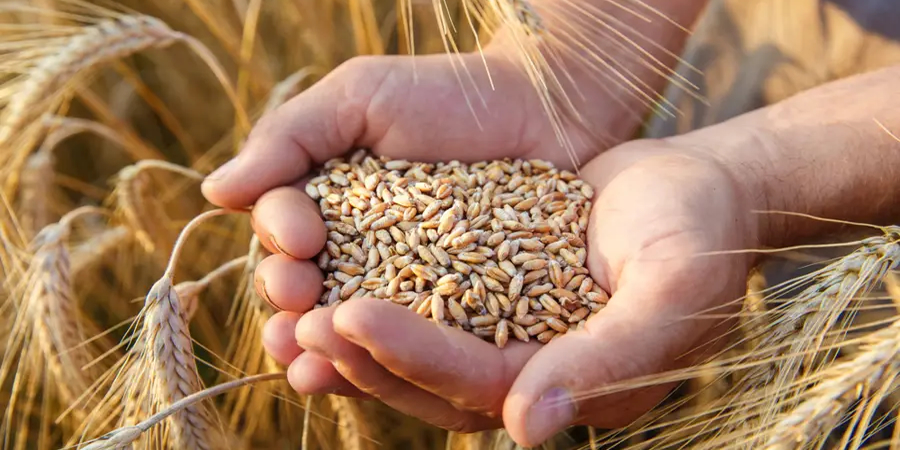
Morocco faces a significant agricultural challenge as authorities project the 2024 wheat harvest to decline by nearly 50%, marking another setback for the country's cereal production, already strained by a seven-year drought.
Traditional wheat-growing regions, such as the province of Sidi Kacem, have been severely affected. Once a cornerstone of Morocco's cereal production, large areas of farmland now lie untended due to insufficient irrigation water. Satellite imagery from Copernicus Sentinel-2, dated August 3, 2024, highlights the extent of the crisis, showing vast swathes of uncultivated land in the region.
The United Nations unit for combatting desertification has warned that the prolonged drought poses a threat to Morocco's agriculture and food security. This is particularly concerning for cereal farmers whose wheat, maize, and barley crops traditionally sustain human and livestock consumption.
Recent figures underline the severity of the crisis. Morocco's wheat harvest in 2023 was 3.4 million tonnes, down from 6.1 million tonnes the previous year. The situation has worsened in 2024, with production plummeting to 2.47 million tonnes, a 40.6% drop from the previous year. This represents the lowest harvest since the 2007-2008 season, which recorded 1.58 million tonnes.
To meet domestic demand, Morocco has significantly increased wheat imports. Between January and June 2023, the country imported nearly 2.5 million tonnes of wheat, primarily from France. However, trade patterns are shifting, with Russian wheat imports rising sharply. In November 2024, imports from Russia reached 222,000 tonnes, an 86% increase from the same period in 2023.
The Moroccan government has initiated several measures to combat the ongoing water crisis. A national water management strategy, developed under King Mohammed VI's guidance, emphasises water conservation and source diversification.
Currently, Morocco operates 12 desalination plants with a combined capacity of 179.3 million cubic metres annually. Plans are underway to construct seven additional facilities by 2027, which will add 143 million cubic metres of capacity.
Agriculture accounts for 87% of Morocco's annual water consumption, which totals 16 billion cubic metres. However, available water resources have not exceeded 5 billion cubic metres annually over the past five years, highlighting a substantial supply-demand gap.
To address these challenges, Morocco is implementing improved water management practices. These include installing water meters to prevent unauthorised usage by farmers. Supported by Sweden and the Food and Agriculture Organization (FAO), these measures aim to slow the depletion of aquifers and ensure sustainable water management.
Amidst the crisis, Morocco has diversified its wheat suppliers, with Russia emerging as a key partner. Recent agreements outline plans to increase Russian grain exports to Morocco to 1.5 million tonnes in the future. So far, 650,000 tonnes have been supplied since the start of the 2024-2025 season, positioning Morocco among the top 10 buyers of Russian wheat.
- Morocco World News


