


December 27, 2024
Kenya stops wheat imports to protect local farmers
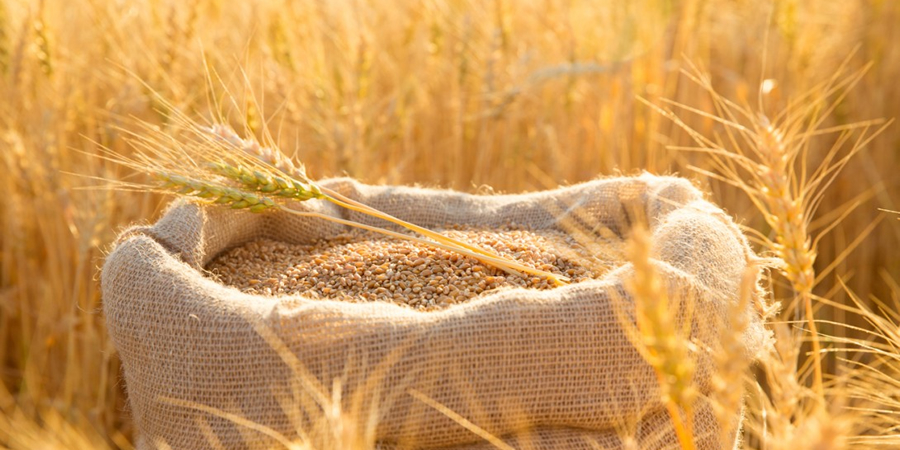
Kenya has banned wheat imports to safeguard local farmers from the influx of cheap foreign produce that disrupts market prices.
Agriculture Principal Secretary Paul Kipronoh Ronoh announced the decision in Eldoret, stating that millers will only be allowed to import wheat after fully utilising local produce at competitive rates and ensuring farmers are promptly paid.
"No miller dealing in wheat will be allowed to import the produce until all the wheat locally produced is mopped up and utilised by the millers," Ronoh said.
The government aims to encourage increased wheat production and shield farmers from exploitation. Kenya produces approximately 2.2 million metric tons of wheat annually, which accounts for only 5% of local demand. The deficit is met through imports.
Ronoh acknowledged that many farmers have not been paid for their wheat by millers, but meetings have been held to resolve payment issues and ensure farmers receive their dues.
Wheat production in Rift Valley has declined, with the region producing 4.5 million bags last season from 127,825 hectares of land, falling short of the annual potential of 6.2 million bags.
Uasin Gishu County, a major producer, reported a significant drop in acreage under wheat cultivation, attributed to rust, climate change, and market volatility.
To support farmers, the Agriculture and Food Authority (AFA) has revised the minimum purchase price for top-grade wheat, raising it by KSh100 (US$0.67). Millers must now pay KSh5,300 (US$35.44) for a 90-kilogramme bag of Grade 1 wheat and KSh5,200 (US$34.78) for Grade 2, while the price of Grade 3 wheat remains negotiable.
However, farmers have expressed dissatisfaction, noting that millers were offering KSh4,800 (US$32.09) during the harvest period, which they deemed insufficient to offset rising production costs.
Meanwhile, the Kenya Seed Company was reported to have 28 million kilogrammes of corn seeds available for January planting, with plans to produce an additional eight million kilogrammes to meet the demand for the upcoming planting seasons.
The National Cereals and Produce Board (NCPB) has also purchased corn worth KSh336 million (US$2.25 million) from farmers this season.
Farmers delivering corn to NCPB have reportedly received payments promptly. The board plans to buy one million bags of corn at KSh3,500 (US$23.40) per 90-kilogramme bag for the National Strategic Food Reserve, with an allocation of KSh3.5 billion (US$23.41 million).
Outgoing Agriculture Cabinet Secretary Andrew Karanja defended the corn price set by the government, arguing that it would support farmers and maintain stable Unga prices. He projected a bumper harvest of 75 million bags this season, compared to the 40-60 million bags achieved last season.
However, North Rift corn farmers have expressed scepticism about the optimistic projections, citing substandard fertiliser distributed under the government's subsidy scheme and erratic weather as key challenges.
The Kenya Kwanza administration has pledged to eliminate corn imports by 2025, with Kenyan President William Ruto committing to prioritising agriculture to boost local productivity and reduce the country's KSh500 billion (US$3.34 billion) annual food import bill.
- The Eastleigh Voice


