


December 27, 2023
India's pig production: Structure of industry and challenges
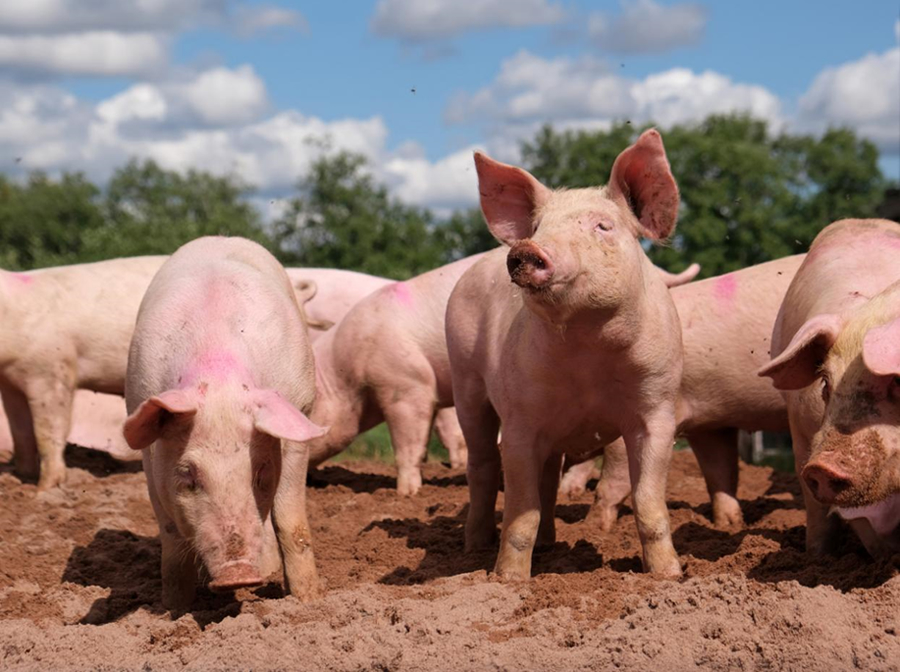
Pork is not a preferred meat in India and it sees better demand only in northeast India and metro cities.
The country's total estimated population of pigs is 10.29 million. The number of exotic/crossbred pigs is 2.46 million while indigenous pigs amount to 7.84 million.
Northeast India has around 3.34 million, or 32.45% of India's total pig population. Three types of pig production systems are common in the region.
The 'scavenging' system is a 'zero-input' system common among lower-income groups. The growth rate of pigs in this system is very limited, and the system can create environmental pollution.
Backyard rearing is mainly practised in the northeast hilly region. No science-based feeding, management and healthcare are followed, resulting in a lower growth rate and sub-optimal reproductive efficiency.
The market-driven production system is common among affluent farmers and those who receive regular training. Producers follow science-based rearing to some extent and mostly rear-fattening pigs.
Concerning dietary needs, the common practice is to feed pigs with homegrown grains and by-products. However, the dismal manner in which pigs are fed (for example, pigs in rural areas are left to scavenge) requires the participation of private industry players.
In general, India's pig production remains unorganised and needs science and technology to expedite its development.
Furthermore, shrinking resources in terms of land availability and water as well as threats from the emergence of new diseases are expected to hinder the optimisation of India's pork production.
African swine fever (ASF), for instance, is a big threat to Indian pig farming. In the third week of June 2033, 43 pigs were culled on an ASF-hit farm in Idukki, Kerala, south India. Within one week, nearly 170 pigs died on the farm.
Since ASF outbreaks occurred in Assam State in January 2020, the disease has been officially confirmed in 19 Indian states.
The country's Animal Husbandry Ministry released the Disease Control Strategy Plan in June 2020 as a guide for state governments to implement ASF prevention, control and containment.
Despite the challenges, India's pig farming has evolved to be a semi-commercial industry that employs intensive farming methods.
Various factors, such as improved feed conversion ratio and sufficient investment in housing and equipment, can further drive the industry to experience more profitable businesses.
- Dr. B.N. Saikia and Dr. Dinesh Bhosale


