


December 23, 2024
California, US, declares state of emergency as HPAI spreads
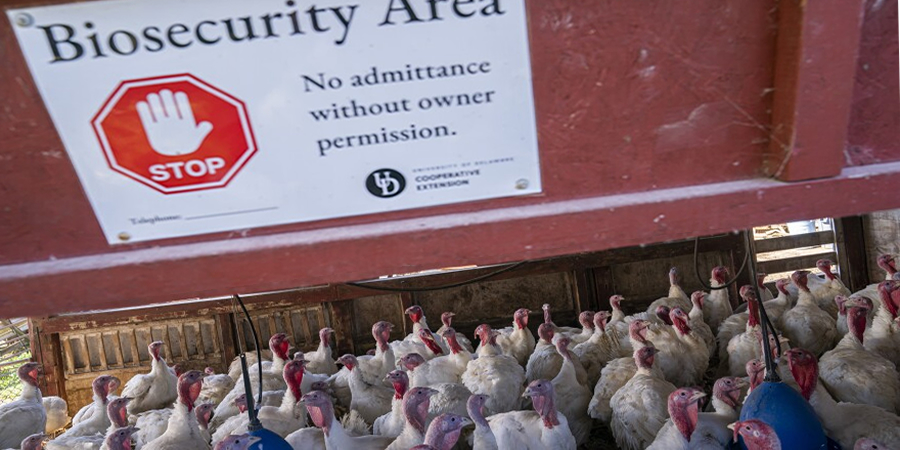
California, the United States, has declared a state of emergency as the current outbreak of highly pathogenic avian influenza H5N1 (HPAI H5N1) continues to sweep North American dairy herds, poultry flocks, and, in some cases, people.
California Governor Gavin Newsom cited the discovery of HPAI H5N1 cases in Southern California dairy herds as the impetus for the state of emergency, signaling the need to expand monitoring and build on the coordinated statewide approach to containing and mitigating the spread of the virus.
As of December 19, HPAI H5N1 has affected 865 dairy herds in 16 US states, more than 123 million birds in 1,314 poultry flocks across all 50 states, and 61 humans (most of whom were exposed to infected cattle).
On December 18, the US Centers for Disease Control and Prevention (CDC) reported the first severe case of human HPAI H5N1 infection (resulting in hospitalisation), in a Louisiana resident who was exposed to sick and deceased birds in backyard flocks.
The emergency proclamation will provide California state and local agencies with additional flexibility around staffing, contracting, and other rules to support California's evolving response.
On December 6, the US Department of Agriculture's Animal and Plant Health Inspection Service (USDA-APHIS) began its National Milk Testing Strategy (NMTS), requiring that raw (unpasteurised) milk samples nationwide be collected and shared with USDA for testing. NMTS is intended to facilitate comprehensive HPAI H5N1 surveillance of the US milk supply and dairy herds, and will be implemented in five stages.
In August, USDA also began routine monitoring for HPAI H5N1 in dairy cows at slaughter under the National Residue Program and announced its intent to conduct field trials for a vaccine for the virus in cattle.
- Food Safety Magazine


