


December 20, 2024
Potential implementation of licenses on Indonesia's dairy cattle imports leaves New Zealand exporters in uncertainty
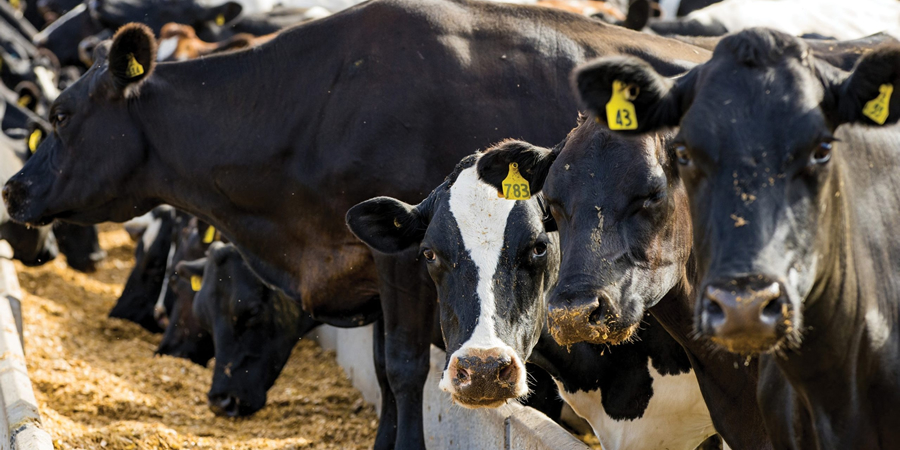
A billion dollars in dairy exports to Indonesia are at risk of disruption from the country's latest drive for self-sufficiency in food production.
Ahead of elections earlier this year, Indonesian President Prabowo Subianto promised to provide free meals to 80 million schoolchildren, lifting the country's low dairy consumption and improve child health.
With just 16% of current milk consumption in the country coming from domestic dairy herds, much of the dairy products required for the programme were expected to be imported.
However, Indonesian importers have now been told that sourcing live dairy cattle will be a condition of licences to bring dairy products into the country.
The new condition has only been conveyed verbally but could be confirmed in writing soon when licences for January and February imports are issued.
One insider said agents for New Zealand exporters risked being blindsided by the move. What it means for the smooth continuation of the dairy trade with Indonesia is unclear.
"Importers would be like "What are we going to do with these cows? We have got nowhere to put them and we certainly don't know how to milk them"," the insider said.
Dairy Companies Association of NZ (DCANZ) executive director Kimberly Crewther said exporters are awaiting more details.
"We have not seen an official policy linking dairy product import permits to cow imports but are aware this may have been floated as an option in some discussions," Crewther said. "We expect permits for dairy product imports from January 1 to be issued in the coming week."
Crewther feared disruption to an important and fast-growing market that has nearly trebled from $385 million in 2016 to $996 million last year.
"Generally speaking, we look for trade in dairy products to be as frictionless as possible and in line with agreed provisions," Crewther said.
Those provisions were set out under World Trade Organisation (WTO) rules and New Zealand's 2010 free trade agreement with the Southeast Asian countries, which include Indonesia.
DCANZ said Subianto risks undermining progress towards his goal of lifting per capita dairy consumption from 16.27 kg, to being closer to near neighbours Thailand and Vietnam at 26 kg, and boosting health outcomes in a country where a fifth of under-five-year-olds suffer from stunted growth.
Lifting the domestic dairy herd size from 260,000 to 1.5 million was also one of the new president's aims, but this was expected to take a decade to achieve.
"Dairy product imports play an important complementary role to local production in supporting nutrition outcomes," Crewther said.
If the new policy were to be confirmed, it would not be the first time Indonesia's drive for self-sufficiency in agriculture has disrupted a major export market for New Zealand farmers.
In the early 2010s, Indonesia banned 80% of New Zealand's beef exports to the country, which slipped from being New Zealand's second largest beef market in 2011 to seventh in 2022.
At the WTO, New Zealand successfully challenged the ban estimated to have cost exporters a billion dollars in sales between 2011 and 2016.
- Farmers Weekly


