


December 20, 2022
England, UK livestock farms cause significant pollution to rivers, government figures found
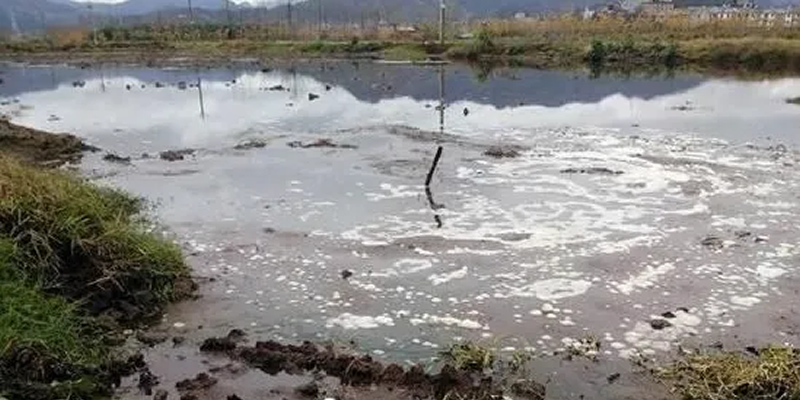
Livestock farms in England, the United Kingdom, polluted rivers 300 times last year, causing 20 major incidents, according to the latest government figures.
However, only six farms were prosecuted in 2021, with the Environment Agency giving out warning letters instead.
The dairy industry — due to the waste its millions of cows produce — is the worst environmental offender, linked to half of all farm pollution.
The government said prosecution was a last resort for persistent offenders.
The National Farmers Union (NFU) said all farmers took their environmental responsibilities seriously and that they were taking "voluntary action through industry-led initiatives to drive improvements that benefit the water environment".
Much of the environmental threat to rivers from farming comes from cow waste called slurry - a mix of manure and water that farmers store and spread as fertiliser.
Each of the UK's 2.6 million dairy cows produces up to 53 litres of manure a day. That's approximately 50 billion litres of manure a year.
The slurry produced has to be stored but it can leak from badly-maintained containers or, if too much is applied to the land or if it rains heavily, it can run off from fields.
Serious pollution incidents can lead to prosecution.
The government, farmers and the dairy industry said they are all taking steps to tackle slurry pollution in rivers.
To ensure best practice, farms are inspected by the Environment Agency. In 2021, 721 inspections were carried out on 693 farms. More than half of inspections found farmers were breaking the regulations governing slurry storage.
Freshwater fish conservation group Wildfish is currently suing the government over how it deals with water companies pumping sewage in rivers and seas. But its chief executive Nick Measham is equally concerned about the threat posed by dairy farming and the slurry it produces.
He said: "Increasingly, we see across the country industrial-scale farming units, particularly dairy and beef units. The slurry that they produce has to go somewhere.
"Frequently, farmers actually do view the river as an open sewer. This slurry is really potent stuff. They've increased the number of farming inspectors, but until a couple of years ago, the probability of you as a farmer getting an inspection was about one in 200 years. So clearly, that is not a big incentive to clean your act up."
The Environment Agency said it is working "constructively" with farmers to reduce water pollution and that it had increased the number of inspections to more than 3,000 since January this year. It added that since April 2021, it has issued at least 140 warning letters and required 6,169 improvement actions on farms, with 2,791 completed. It said its focus was on "high-risk locations, previously non-compliant businesses, and those farming sectors of greatest concern".
But the agency admitted only six agricultural prosecutions took place in 2021/22, saying court action was used as "a last resort when there is persistent non-compliance".
Defra said it has doubled the funding for its Catchment Sensitive Farming programme, which provides free advice to farmers to help them better manage manure and soils. And, earlier this month, it made available a slurry infrastructure grant for farmers to improve their storage.
The NFU welcomed the funding, saying that farmers had already made a 75% reduction in serious pollution incidents year-on-year compared to 2000.
NFU deputy president Tom Bradshaw said: "The NFU will continue to work with Defra and the Environment Agency through their advice-led approach to infringements, in order to effectively communicate the farming rules for water guidance to its members."
- BBC


