


December 20, 2022
More attention on cattle in US needed as winter nears, North Dakota University specialists say
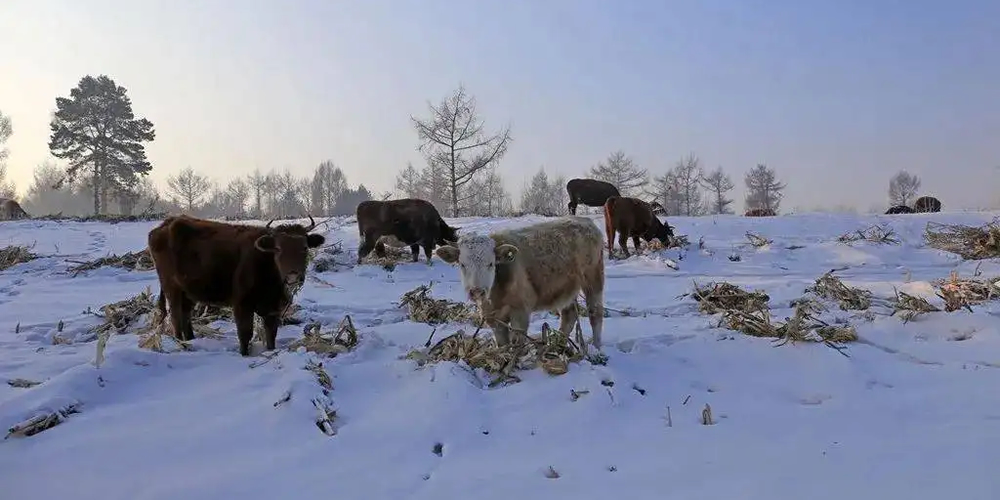
Cattle producers in the United States need to pay close attention to their animals as winter approaches, North Dakota State University (NDSU) Extension livestock specialists said.
"Winter weather is here and storms are in the forecast," said Zac Carlson, NDSU Extension beef cattle specialist. "This storm may bring heavy snow, cold temperatures and raging winds. Cattle feel the effects of extreme weather, and producers need to make sure the provided feed is meeting the energy and protein needs of the cow herd."
Carlson recommended: "When doing feeding chores, make sure you are paying close attention to the body condition and fat cover on the cow herd. Cows that are too thin will suffer the most as fat is the insulation factor for the cow. Snowfall cover on the backs of cows will not melt quickly on cows with good insulation."
Substantial snowfall is forecast and drifting can make open area access to feed and water difficult. Farmers and ranchers need to move cattle to areas that provide some protection from wind as soon as possible. Waterers need attention. Ice build-up around automatic waterers is common and injuries can occur if they are competing for limited water space.
While the November storm brought some needed moisture, the snow is compacted, and there will not be sufficient water available to meet the needs for cattle, especially cows on high roughage, high dry matter rations. The specialists recommend spreading feed out, so all cattle have access and providing extra feed during this time.
If cows are being maintained on relatively poor-quality feeds or temperatures get too extreme, altering the amount of feed will not meet the increased energy requirements for the cattle. Feeds of higher nutrient quality (more energy dense) must be included to achieve the needed level of nutrition during cold spells.
"This is not the time to be feeding low quality forages (low protein)," said Gerald Stokka, NDSU Extension veterinarian and livestock stewardship specialist. "With lack of sufficient water or lack of watering space and cold weather, cattle will try to eat more and impaction (digestive blockage) can occur."
If farmers and ranchers are grazing cover crop or some type of grazing system, snow depth can severely restrict the animals' ability to consume enough forage to meet their needs. These animals will need to be supplied with extra harvested forage.
Some feeds can be dangerous if hungry cattle are allowed full access. For example, grains and high-quality alfalfa can cause digestive disturbances or bloat if cattle consume too much.
"Consider supplying enough feed for several days to cattle in cases when additional snowfall and drifting are forecast and could restrict cattle's access to feed for a period of time," said Stokka.
In feedlot settings, cattle may stay away feed for a day or several days, so farmers and ranchers have to make sure to get them consuming pre-storm rations. Limiting feeding or feeding smaller amounts several times a day can prevent digestive disturbances in feedlot cattle. Another option is to reduce dietary energy for a period of time by adding more roughage, then following that with a gradual transition back to high-energy finishing rations.
"Take steps to ensure cattle are out of the wind," said Stokka. "If natural windbreaks (trees, draws, etc.) are available, take advantage of them for feeding sites. If no natural windbreaks exist, producers will need to take steps to make permanent or portable windbreaks to protect cattle from the wind. Portable panels are good options when maintaining cattle in relatively open country."
Bedding may not always be necessary for wintering cow herds, but in cases where cattle are wet, it is a must. Bedding helps keep cattle dry and provides insulation from the cold ground. It also can provide a reprieve for cattle that have been standing or walking for several days after storms.
Extension specialists also recommended ranchers watch their cattle closely for health conditions that arise from exposure to winter weather. Hypothermia and frostbite may be apparent immediately, but cattle can be at risk for pneumonia and other conditions for several weeks following severe events. Farmers and ranchers should consult their veterinarian to establish treatment plans for any anticipated or observed illness.
- North Dakota State University Extension


