


December 19, 2024
Iowa, US hatchery introduces humane in-ovo sexing technology
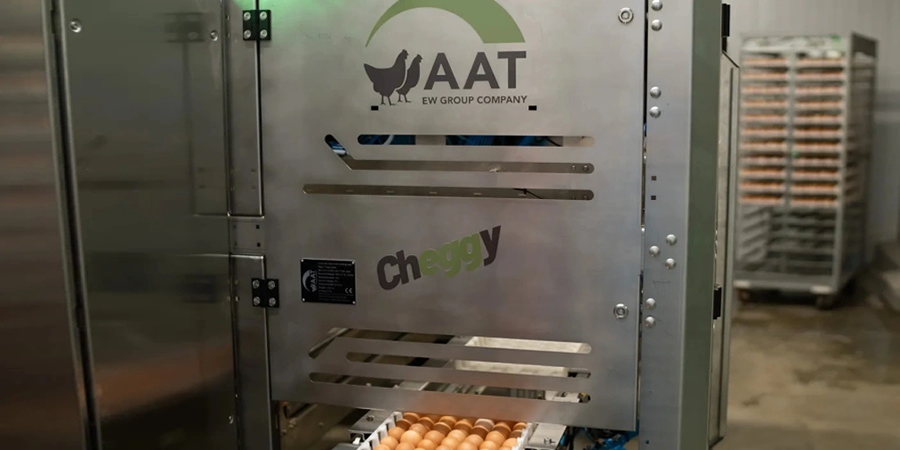
An egg hatchery in Iowa, US has become the first facility in the country to implement in-ovo sexing technology, providing a more humane alternative to the widespread practice of culling male chicks.
The hatchery plans to supply its first batch of chicks to NestFresh Eggs by December 13, 2024. Eggs produced from in-ovo sexed hens are expected to become available in the marketplace by June 2, 2025. A similar machine is already operational at a hatchery in Texas, marking a growing adoption of this innovative approach in the US.
The technology, developed by Germany-based Agri Advanced Technologies (AAT), uses a sorting machine called Cheggy. This machine determines the sex of a chick before it hatches by measuring light spectrum differences related to feather colour. Capable of sorting up to 25,000 brown layer hatching eggs per hour, Cheggy is hailed as a breakthrough in improving animal welfare standards.
Jörg Hurlin, managing director of AAT, expressed optimism about the impact of this development. "We are thrilled to introduce this revolutionary non-invasive in-ovo sexing technology to the US," he said in a statement. "The high accuracy rate and unparalleled efficiency of this machine will undoubtedly transform the egg production industry with growing demand for welfare and sustainability practices in the poultry industry."
Although in-ovo sexing has gained traction in Europe, US egg producers have been slower to adopt the technology. A lack of consumer awareness has been cited as a key reason for this delay. However, momentum is building, with several US egg producers vying this year to be the first to deploy the technology domestically.
Currently, the standard practice in the egg industry involves macerating male chicks shortly after they hatch, as they do not lay eggs and are deemed economically unviable. Advocacy groups have criticised this practice, calling for more humane alternatives.
"Macerating male chicks soon after they hatch is still standard in the egg industry, as they do not lay eggs and are therefore deemed useless," said Hillary Hendrickson, senior corporate relations manager at Mercy for Animals, in a statement earlier this year. "As consumers learn more about the horrors of chick culling, they will support companies that have banned this barbaric practice."
- Agriculture Dive


