


December 18, 2024
Denmark and Thailand advance sustainability efforts in agriculture
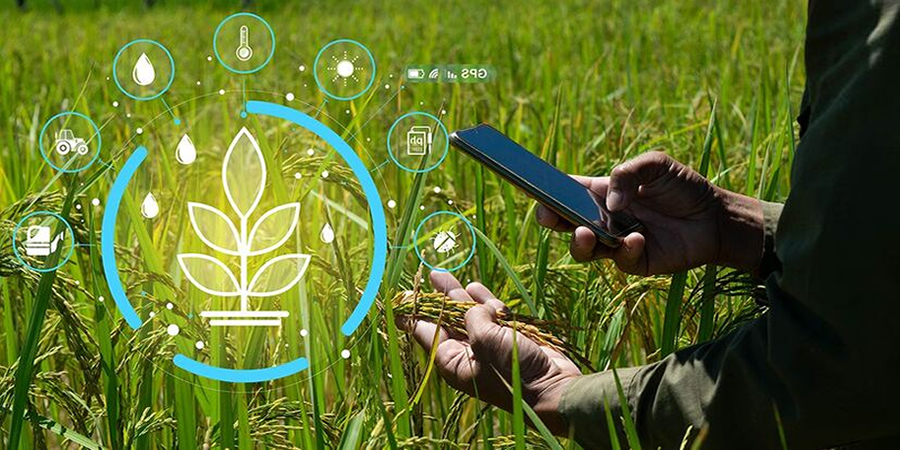
Denmark and Thailand are taking significant steps towards sustainability by addressing environmental concerns in agriculture.
Denmark's government has set a target to reduce greenhouse gas emissions by 70% from 1990 levels by 2030. The focus is on the livestock farming sector, which contributes substantially to emissions through methane production.
To meet this goal, the Danish government is introducing a taxation system for farmers. By 2030, livestock farmers will be required to pay DKK 300 (US$42.24) for every tonne of carbon dioxide equivalent emitted, with the rate projected to increase to 750 kroner by 2035. This measure is intended to encourage farmers to adopt practices that reduce their carbon footprint, as methane emissions from livestock farming have a greater warming potential than carbon dioxide.
In Thailand, private companies are also contributing to sustainability efforts. Nestlé Thailand is promoting sustainable agricultural models through regenerative farming techniques. Wasilila Sihaphan, managing director of Nestlé (Thailand) Co, Ltd, said, "Our goal is to protect and restore the environment through sustainable sourcing."
Nestlé has worked with local dairy farmers for over 40 years to integrate regenerative agriculture methods. These approaches aim to protect the environment while improving farmer livelihoods. Sustainable dairy farming practices have the potential to enhance both the quality and quantity of milk, addressing consumer demand for high-quality, environmentally responsible products.
Dairy farmers in Thailand face challenges such as rising feed costs and declining milk production rates. Despite these issues, the market for ready-to-drink dairy products has grown by 7% this year. Nestlé's regenerative agriculture approach focuses on waste management, energy efficiency, and improving soil health to mitigate the environmental impact of dairy farming, including methane emissions.
Innovative practices such as converting cattle manure into a source of value have been introduced. By adopting these methods, farmers can generate additional income, estimated at THB 40,000 (US$1,169) annually. This aligns with broader efforts to reduce greenhouse gas emissions and contribute to achieving a "Net Zero" target by 2050.
The global recognition of livestock farming's environmental impact has also influenced policy proposals in other countries. New Zealand recently attempted to introduce legislation to address livestock emissions. Although the proposal was eventually removed due to resistance, it highlighted the growing need for regulatory measures to reduce emissions in agriculture.
Denmark's approach to sustainability serves as an example for other nations seeking to balance environmental protection with economic opportunities. The combination of regulatory frameworks and sustainable farming practices offers a practical model for addressing climate change while securing food production systems.
As demand for environmentally friendly products increases, initiatives like those from Nestlé and other agricultural companies can influence consumer behaviour. By aligning sustainability goals with economic benefits, such efforts can create opportunities for farmers and promote responsible production practices.
Countries like Turkey, Thailand, and others have the chance to observe and adapt Denmark's methods. Moving towards sustainable agriculture not only addresses environmental challenges but also supports economic growth, enhances food quality, and encourages the adoption of responsible farming practices.
- The Pinnacle Gazette


