


December 17, 2025
China cuts tariffs on pork from EU
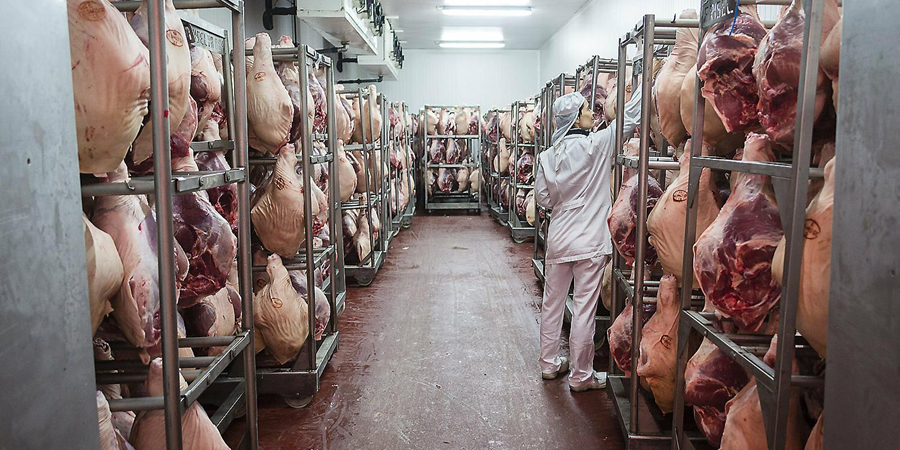
China on December 16 sharply reduced tariffs on EU pork imports worth over US$2 billion in the final ruling of an anti-dumping investigation seen as a response to the bloc's duties on Chinese electric vehicles.
Some from the European pork industry voiced relief at the decision though they said the tariffs would still hurt. The European Commission expressed concern, pledging to defend exporters.
China will impose tariffs of between 4.9% and 19.8% on pork imports from the bloc for a five-year period starting on December 17, well below the 15.6%-62.4% imposed in a preliminary decision in September, China's Ministry of Commerce said in a statement.
Importers will receive a refund on the difference between the rates paid since September.
The decision is a partial reprieve for European producers who depend heavily on the Chinese market, especially for the offal - such as pig ears and feet - rarely eaten elsewhere.
China's anti-dumping investigation began in June last year and has affected major pork exporters such as Spain, the Netherlands, and Denmark.
In 2024, over half of China's US$4.8 billion worth of pork imports came from the European Union, with Spain leading the bloc in exports by volume. That accounted for 17.6% of EU pork exports, the second highest behind the United Kingdom, which imported a 29.7% share, according to Spanish government data.
In a statement, the European Commission described China's investigation as "based on questionable allegations and insufficient evidence". It vowed to defend EU farmers and exporters against what it called Beijing's "abusive use of trade defence instruments" and said it was "carefully assessing all the information available against compliance with WTO rules".
China also has an anti-subsidy investigation into EU dairy exports that is due to report next February and has already imposed tariffs on EU brandy.
China did not say why it chose to lower rates, though it said talks over electric vehicle tariffs had resumed. French President Emmanuel Macron and Spanish King Felipe have both recently visited Beijing.
Spanish regional leaders met China's ambassador in recent weeks to ask for lower tariffs, citing Spain's openness to Beijing's investment in the automotive sector, a Spanish regional government source told Reuters.
Spanish Agriculture Minister Luis Planas told reporters that domestic industry could absorb the new rate on pork exports, welcoming what he called an element of stability for the next five years.
He also said he understood the Commission's concerns, adding that "everything is reversible" through negotiations.
Previously, major exporters to China, such as the EU and Brazil, were subject to "most-favoured nation" tariffs of around 12% for many pork products. The anti-dumping duties come on top of these. US pork is subject to substantially higher tariffs.
Most Spanish firms are now subject to a relatively moderate tariff of 9.8%. Spain's Litera Meat got the lowest rate, at only 4.9% - an outcome the company described as "very positive".
Giuseppe Aloisio, head of Spanish industry group Anice, said he expected talks to continue, as the duties would hurt company margins.
In France, Anne Richard, director of pork industry association Inaporc, said: "There's a sense of relief as all our abattoirs that export have been recognised as cooperating and have been granted a rate of 9.8%."
"Having said that, we can't exactly rejoice at the prospect of a tax."
Morten Boje Hviid, the chief executive officer of Denmark's Agriculture and Food Council, said the final tariffs were still high and created unequal competitive conditions, generating price pressures within the EU.
China's approach was "dividing European economic policy," said Nemesio Sanchez, an international trade consultant specialising in Iberico pork.
- Reuters


