


December 17, 2025
Scotland, UK research to look into tissue remodelling processes in salmon
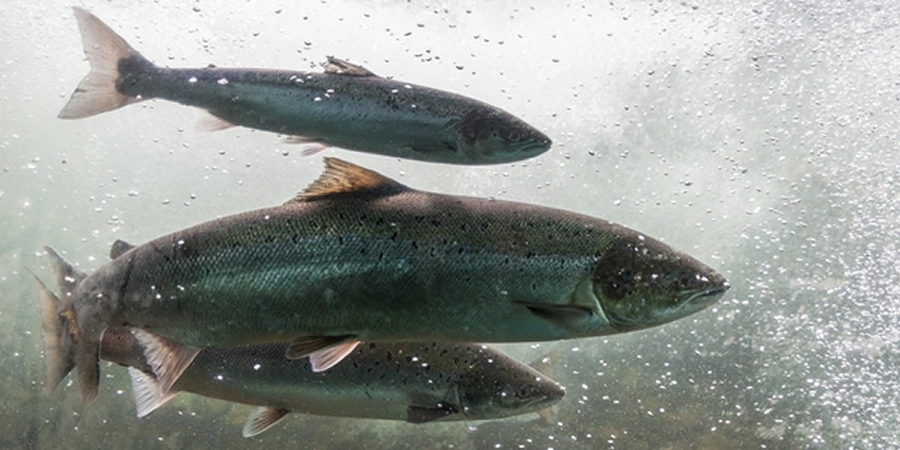
Salmon farming in Scotland, the United Kingdom, generates around £750 million (US$937.5 million) in exports annually, despite smolt (young fish) mortality rates of 15% to 20%, with gill and skin conditions being major contributors.
Rose Ruiz Daniels, a lecturer in aquaculture genomics at the University of Stirling, has now secured more than £1.4 million (US$1.75 million) in funding from the UKRI Biotechnology and Biological Sciences Research Council (BBSRC). The project will explore tissue remodelling processes in salmon to reduce mortality associated with gill and skin health issues, which are major ongoing challenges for the global aquaculture industry.
The research, hosted at the University of Stirling's Institute of Aquaculture, also benefits from £120,000 (US$150,000) of in-kind support from Benchmark Genetics. Researchers will study salmon during smoltification. This critical process involves significant changes in the body, making it valuable for understanding how fish both repair and strengthen their tissues.
Ruiz Daniels explained that "when smoltification fails to proceed normally, the fish become more vulnerable to stress and disease. By examining smoltification as a biological remodelling event, we can identify how salmon repair tissues, resist disease, and adapt to changing environments. The findings will help inform improved breeding and health management strategies that enhance resilience across the industry."
The study has three core objectives: develop phenotyping tools — tools that look at the visible traits or characteristics of a salmon — and measure how effectively fish can repair and rebuild their body tissues during smoltification; determine whether this healing capacity has a genetic basis and evaluate its potential to support better-informed future breeding strategies; and discover the key biological processes inside salmon cells that enable tissue repair, linking these processes to the fish's ability to both heal and maintain long-term health.
By identifying key genes and biological processes involved in successful smoltification, the research team aims to deliver practical tools that support fish health and productivity, while also improving the sustainability of this vital contributor to the Scottish economy.
Ruiz Daniels added that "this work will help transform how we understand salmon biology. Recognising remodelling as a selectable trait will support breeding strategies that enhance survival and welfare across aquaculture."
The study builds on existing data and continues the university's long-term collaboration with Benchmark Genetics and other aquaculture partners.
Andrew Preston, lead trait development and land-based at Benchmark Genetics, said that "developing new health traits that complement existing gill health traits marks an important step toward improving salmon welfare at critical stages of production, including during smoltification. By broadening our understanding of the biological processes behind cell repair, our goal is to harness this knowledge to enhance robustness in salmon farming, supporting healthier fish at all stages during production."
- Aquafeed.com


