


December 17, 2025
Research on US poultry sector's antibiotic use released
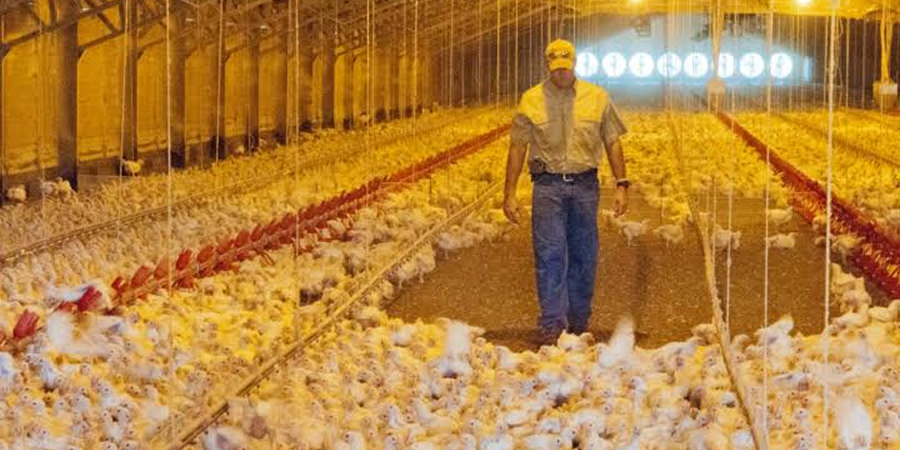
New research was released on December 16 quantifying the US poultry industry's on-farm antibiotic use.
The update was supported by the US Poultry & Egg Association (USPOULTRY) and the US Food and Drug Administration (FDA).
USPOULTRY said the poultry industry works to balance the responsible use of antibiotics considered "medically important" to human health with the need to maintain healthy poultry flocks.
"For many years, USPOULTRY's board of directors has invested in this research, demonstrating the industry's sustained commitment to science-based stewardship and the responsible use of antibiotics in poultry production," said Nath Morris, president of USPOULTRY. "We value the continued engagement of our members and the numerous poultry organisations that have supported this study, whose long-term participation has enabled robust data collection and a deeper understanding of antimicrobial use patterns across the sector."
Under the research direction of Randall Singer, DVM, PhD, of Mindwalk Consulting Group LLC and the University of Minnesota, the report presents a 12-year dataset collected from 2013 to 2024 for US broiler chickens and turkeys. It also represents a nine-year dataset collected from 2016 to 2024 for layers.
In addition, three peer-reviewed manuscripts were published by Singer in 2023 covering the data collected from broiler chickens, turkeys and layers.
The trade association noted that "given several key differences among broiler chickens, turkeys, and layers — namely differences in weight, life span, susceptibility to lifetime illness, the number of effective medical treatments available, etc. — these data should neither be combined nor compared between types of poultry."
Key changes among broiler chickens over the 2013-2024 period include:
- Broiler chickens receiving antibiotics in the hatchery decreased from 90% (2013) to less than 1% (2024);
- Medically important in-feed antibiotic use in broiler chickens decreased substantially; there has been no in-feed tetracycline use since 2019, and virginiamycin use has decreased more than 99% over the 12-year period.
Key changes among turkeys over the 2013-2024 period include:
- With recent challenges linked to E. coli and other Gram-negative bacteria in the young turkey poults, gentamicin use in the hatchery increased to help prevent these infections;
- Medically important in-feed antibiotic use in turkeys decreased substantially; in-feed tetracycline use decreased by more than 77% from 2013-2022 but has increased more than threefold since 2022 due predominantly to the control and treatment of secondary bacterial infections following infection with avian metapneumovirus;
- Medically important water-soluble antibiotic use in turkeys decreased substantially from 2013-2019 and then stabilised or increased from 2019-2024. Increases were typically due to increased disease incidence, as seen in other countries as well, during the 2019-2024 period.
Key findings among layer chickens over the 2016-2024 period include:
- Layer chickens (hens) typically begin laying eggs around 20 weeks of age and end when the layer hen is around 80 to 100 weeks of age;
- Table egg production is similar to milk production, where the product for human consumption is produced on a daily basis. Most antibiotics that could be administered to layer hens have withdrawal periods that would prevent all eggs produced during this period from entering the food supply. This is one reason why little antibiotics are used in table egg production in the United States.
USPOULTRY said it would continue to support Singer in the annual collection of data from the broiler chicken, turkey, and layer industries.
"These efforts will assist the poultry industry as it aims to improve antibiotic stewardship and will also document the burden of flock illness and reasons for on-farm, medically important antibiotic usage," the trade association said.
The project is funded with multiple annual grants from USPOULTRY. The project was also partly supported from 2016 to 2023 under a cooperative agreement with the US Department of Agriculture (U01FD005878).
Beginning in September 2024, a new cooperative agreement between FDA-CVM and Singer was initiated, thus continuing the public-private partnership for this effort.
- Meat + Poultry


