


December 16, 2023
Plummeting pork prices propel China toward deflation
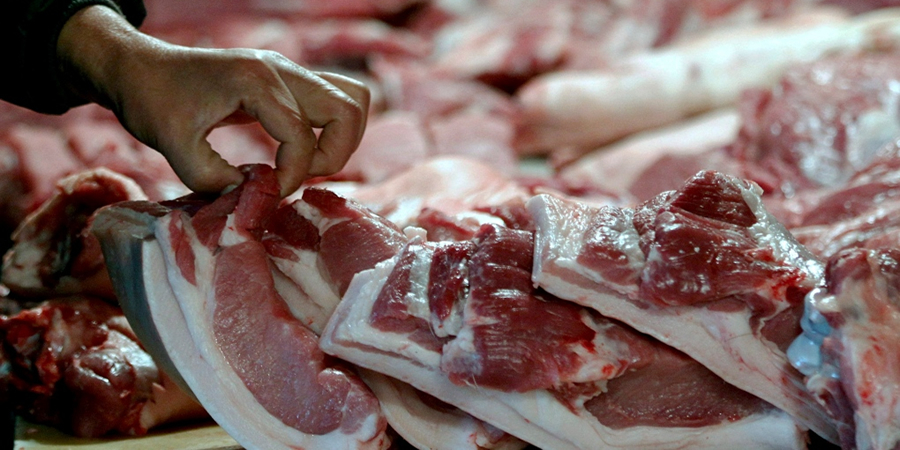
China is facing the imminent threat of deflation as pork prices, a significant component of its consumer price index (CPI), experienced a sharp decline of 31.8% in November 2023 compared to the previous year, CNBC reported.
The oversupply in the pork sector, driven by a prolonged period of weak domestic consumption and surplus production, poses a risk of deflationary pressures for the world's second-largest economy.
The consumer price index in China registered a 0.5% year-on-year fall in November, the steepest decline in three years. Pork holds substantial weight in China's CPI basket, accounting for a significant portion of the food category, which constitutes approximately one-fifth of the CPI. The close correlation between pork prices and CPI emphasises the potential impact of falling pork prices on China's overall inflation.
The oversupply issue in China's pork sector has been attributed to a prolonged period of weak domestic consumption and surplus production. Pork production in 2022 reached its highest level in eight years at 55.41 million tonnes, contributing to the current glut in the market. The impact of African swine fever, which led to a surge in pork prices between 2018 and 2021, incentivised domestic pork production. But the subsequent oversupply is now contributing to a deflationary impulse in the global meat market.
China's swine cycle, a key determinant of pork prices, is currently experiencing an oversupply, exacerbated by unseasonably warm weather in November, delaying the traditional surge in cured meat demand for winter and the upcoming festive season.
Efforts by Beijing to stabilise prices include two rounds of pork buying for strategic reserves, with plans for a third round within the year. But the changing preferences of Chinese consumers, driven by health consciousness, present a challenge as they shift away from pork. Affluent consumers are increasingly considering beef as a healthier alternative, with 28% expressing intentions to reduce pork consumption, according to a McKinsey study.
The broader economic landscape in China, already grappling with challenges in the property sector and underwhelming economic data, faces additional concerns with the core factor of pork prices contributing to deflation. Factors such as aggressive discounting during the Single's Day period and a decline in "revenge travel" have further subdued price pressures, creating a complex economic scenario for China's post COVID-19 recovery.
- CNBC


