


December 15, 2022
Aquaculture sector in Colombia on the rise
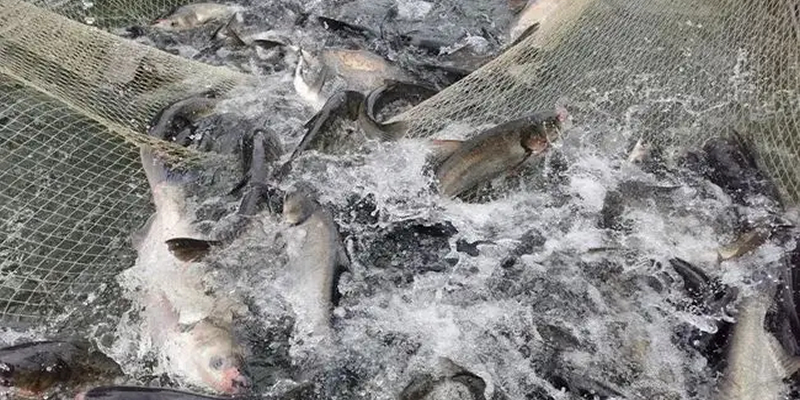
Colombia's aquaculture industry produced more than 192,000 tonnes of products in 2021 such as tilapia, trout, cachama, and shrimp, and provides 57,756 direct and 173,269 indirect jobs in the country, according to the National Aquaculture and Fisheries Authority (AUNAP), Fish Information & Services reported.
Together with the fisheries sector, aquaculture contributes 0.2% of Colombia's GDP and 3.3% of the agricultural GDP. Aquaculture production in the country increased 116.16% between 2012 and 2021, from 89,064 to 192,521 tonnes of products.
Huila, Meta, and Tolima are the areas in the country with the highest growth for aquaculture development, as well as the highest production, with 39%, 11%, and 9%, respectively.
Around 120,000 tonnes of the 192,000 tonnes correspond to white and red tilapia. The Betania Yaguara Dam in the department of Huila produces approximately 40% of this quantity, with the remaining 60% distributed in tanks in the regions of Meta, Tolima, and Antioquia. The main markets are in Bogotá, Medelln, and Cali. These species of fish alone generates nearly 300,000 jobs and accounts for more than half of the country's aquaculture exports, which total around US$80 million per year.
The United Nations Organization for the Food and Agriculture (FAO)'s report, "The State of World Fisheries and Aquaculture", showed that Latin America and the Caribbean are expected to see a 33% growth in fish consumption by 2030.
it is expected that the production of fish for human consumption will increase in Latin America, where it is expected to go up by 49%, from around 2.7 million tonnes to more than 4 million tonnes.
The above forecast is based on the positive results of fish farming in the country, thanks to aquaculture being a viable and more sustainable alternative to other types of breeding. Aquatic species are more efficient in feed conversion because they require less food and are high-quality protein sources.
Mariángela Nio, technical consultant for animal nutrition at BASF in Colombia, said the future of animal nutrition is linked to increases in productivity and efficiency in resource use, producers must produce more with less while preserving the environment and animal welfare.
- Fish Information & Services


