


December 14, 2022
USPOULTRY releases updated report of antibiotic stewardship within US poultry production
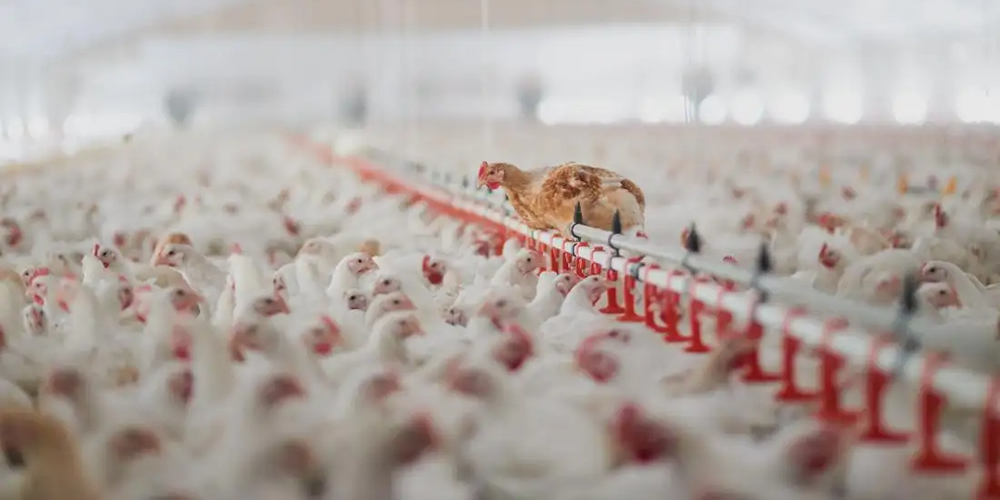
Updated research, supported by the US Food and Drug Administration and US Poultry & Egg Association, was released on December 13 quantifying the US poultry industry's on-farm antibiotic use, including a new section on layer production.
The new report shows further improved antibiotic stewardship and commitment to disease prevention within poultry production. As part of its commitment to the transparency and sustainability of a safe food supply, the poultry industry aims to strike a balance between the responsible use of antibiotics "medically important" to human health and keeping poultry flocks healthy.
"The board of USPOULTRY has supported this research for a decade, and it points to the continued focus on the judicious use of antibiotics in the poultry industry," said John Starkey, president of the US Poultry & Egg Association. "We are grateful for the long-term participation of so many members in this study."
Under the research direction of Dr. Randall Singer, DVM, PhD, of Mindwalk Consulting Group, LLC, the report represents a nine-year set of data collected from 2013 to 2021 for US broiler chickens and turkeys, and represents a six-year set of data collected from 2016 to 2021 for layers. A prior report, covering 2013-2017, was released in August 2019.
Given several key differences among broiler chickens, turkeys and layers – namely differences in weight, life span, susceptibility to lifetime illness, the number of effective medical treatments available, etc – these data should neither be combined nor compared between types of poultry.
Key changes among broiler chickens over the 2013-2021 period are:
- Broiler chickens receiving antibiotics in the hatchery decreased from 90% (2013) to 0% (2021);
- Medically important in-feed antibiotic use in broiler chickens decreased substantially. There was no reported in-feed tetracycline use in 2020 or 2021, and virginiamycin use decreased more than 97% over the nine-year period;
- Medically important water-soluble antibiotic use in broiler chickens decreased substantially from 2013-2017 and then stabilised or decreased slightly from 2017-2021. Penicillin use decreased by more than 75% from peak in 2015; lincomycin use decreased by more than 82% from peak in 2015; tetracycline use decreased by more than 92% since 2013; and sulfonamide use decreased by 98% since 2013;
- There was a documented shift in the use of antibiotics that are not considered medically important to humans (for example, avilamycin and bacitracin).
Key findings among layer chickens over the 2016-2021 period are:
- Layer chickens (hens) typically begin laying eggs around 20 weeks of age and end when the layer hen is around 80 to 100 weeks of age;
- Table egg production is similar to milk production, where the product for human consumption is produced on a daily basis. Most antibiotics that could be administered to layer hens have withdrawal periods that would prevent all eggs produced during this period from entering the food supply. This is one reason why little antibiotic is used in table egg production in the United States;
- All chicks in the dataset received gentamicin in the hatchery (day one of age);
- In the US, the majority of chicks purchased by egg companies are sourced from hatcheries that are owned and operated by genetics companies;
- The only medically important antibiotic used in layer hens for treatment and control of disease in this dataset was chlortetracycline (CTC), used in part as it has a zero-day withdrawal, meaning that there is no loss of eggs during the treatment period;
- CTC was only administered via the feed in pullets (day two through 16 to 18 weeks of age) and layer hens;
- The majority (>95%) of CTC was used in the layer hens for the treatment of disease;
- Less than 0.2% of total hen-days were exposed to CTC.
Moving forward, the US Poultry & Egg Association will continue to support Dr. Singer in the annual collection of data from the broiler chicken, turkey and layer industries. These efforts will continue to assist the poultry industry as it aims to improve antibiotic stewardship, while also documenting the burden of flock illness and reasons for on-farm, medically important antibiotic usage.
The project is funded under a cooperative agreement with the US Food and Drug Administration and multiple annual grants from US Poultry & Egg Association.
- USPOULTRY


