


December 14, 2022
Muyuan and major companies poised to further change pig production in China
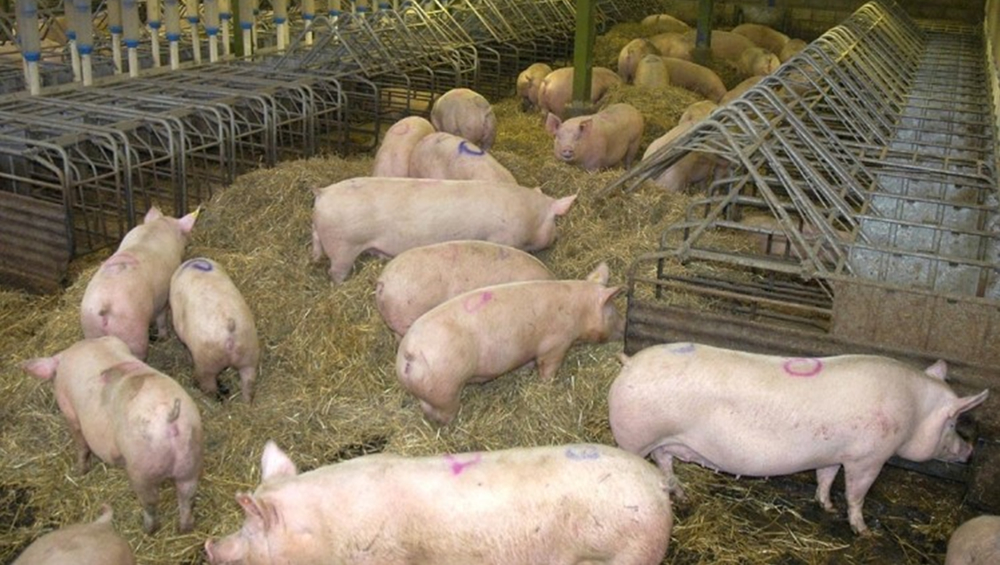
As China's pig industry is increasingly concentrated, slaughtering and processing sectors have become a point of convergence for large-scale pig enterprises.
Many large-scale pig enterprises like Muyuan Group, Wen's, New Hope and Tianbang have deployed in the downstream slaughtering sector. Muyuan's pig production has grown rapidly after listing, exceeding 40 million heads in 2021 heads and accounting for about 6% of China's release volume. In the first three quarters of 2022, Muyuan's pig release has exceeded 45 million heads and is expected to reach 60 million for the whole year.
According to a semi-annual report from Muyuan, as of the end of June 2022, the company has put into operation eight slaughter plants, with a total slaughter capacity of 22 million pigs/year. Additionally, four more slaughter plants with a total slaughter capacity of 13 million heads will be completed soon; Muyuan's pig slaughtering capacity could exceed 35 million. It also established 23 subsidiary slaughtering companies in key pig-producing provinces in China.
Muyuan's overall planned production capacity has exceeded 50 million heads, surpassing Shuanghui's 23.80 million heads and close to the 52.65 million heads that Yurun Group once claimed.
In China, the rapid vertical integration of pig enterprises is bound to change its slaughtering market structure.
Looking back at data for the past five years, Shuanghui's annual slaughtering volume has remained at 10-17 million heads, while the average capacity utilisation rate of large-scale slaughtering plants nationwide is only about 30%. As other pig enterprises expand into the slaughtering sector, Shuanghui's current leading position in the sector is being challenged.
However, the (perceived) fragmented state of the slaughtering industry may mean that even if pig companies enter the sector in a significant way, these would not have much impact on Shuanghui competitiveness-wise; the company only accounts for 5% of the national slaughter volume despite its size.
Moreover, there is much room for development — 95% of the market — for large-scale newcomers.
While the pig slaughtering and processing sectors are mainly dominated by small and medium-sized slaughterhouses (and the proportion of large-scale slaughterhouses remains relatively low), major players, which control the supplies of pigs and enjoy economies of scale, will eventually push small and medium slaughterhouses out of business.
Hence, the slaughter sector is on the brink of major restructuring.
- David Lin, eFeedLink


