


December 13, 2022
Scotland's aquaculture output could quadruple through offshore tech
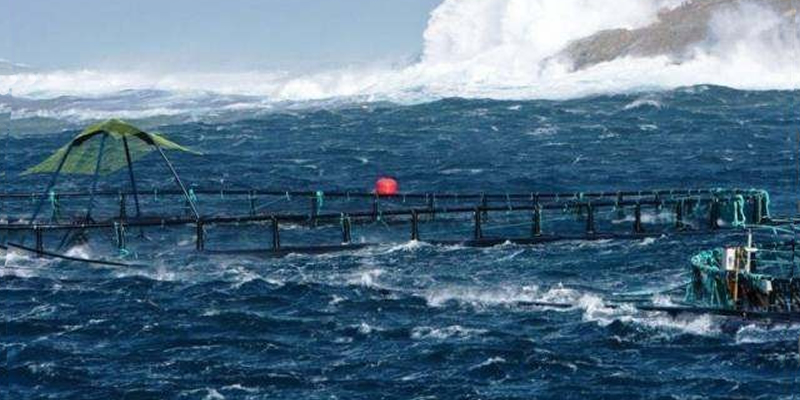
Scotland's aquaculture sector could earn an additional GBP 4.2 billion (~US$5.1 billion; GBP 1 = US$1.23) in turnover using new technology to support seafood production in exposed offshore locations, Fish Information & Services reported.
This was the result of a new research project Impact-9, a start-up firm, that looked into options for wind turbine sites to double as salmon farms.
The Impact9 Energy and Marine Ltd. Net9 system, which is a submersible, floating structure that takes advantage of the ocean's natural ecosystem and conditions, is one step closer to commercialisation, with a proven design concept now ready for scale testing.
The achievement marks the completion of the latest phase of the GBP 200,000 (~US$245,000) Inflatable Marine Products for Aquaculture Containment Technology project (IMPACT), which was funded by the UK Seafood Innovation Fund (SIF) with additional assistance from the Sustainable Aquaculture Innovation Center (SAIC).
Tension Technology International (TTI) engineers and Simply Blue Group, a blue economy project developer, were also involved in the development work, looking at regulatory issues, fish health and welfare, and the cost challenges associated with bringing aquaculture into open ocean environments.
At full capacity, a single Net9 pen could produce up to 2,500 tonnes of salmon per year, thanks to oxygen-rich waters and conditions that mimic the wild. Impact-9 has identified an opportunity to use the new technology within existing and planned offshore wind energy zones, where a small portion of these zones at approximately 12 x 12 km could house 280 pens and quadruple Scottish aquaculture production.
Wind turbine positioning is typically determined by water depths, currents, and the need to avoid shipping lanes, all of which influence the suitability of a location for offshore aquaculture.
John Fitzgerald, chief executive officer of Impact-9, said moving further offshore can pave the way for a new large-scale sustainable seafood industry worth billions of pounds in the UK alone.
He said the economic potential is similar to that of offshore wind, but it will occupy a relatively small amount of ocean real estate and could fit in with existing and planned offshore wind turbine arrays.
Impact-9's system employs a flexible structure that moves with the waves and weathers storms rather than fighting against the water, reducing potential stress on fish.
The research team intends to begin construction of a unit suitable for technical demonstration at the European Marine Energy Center (EMEC) in Orkney next year, giving interested producers the opportunity to see a model of the system in operation.
- Fish Information & Services


