


December 11, 2024
US study questions sustainability of aquaculture feed practices
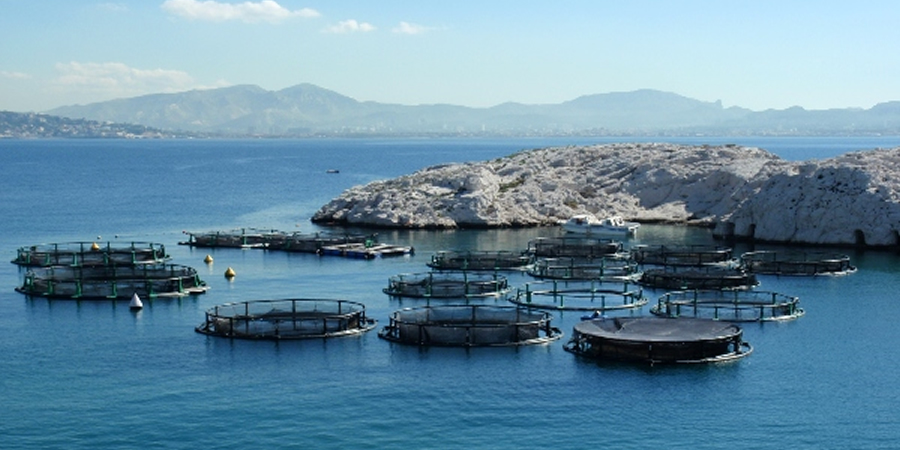
A recent study has raised concerns over the sustainability of fed aquaculture, challenging previous assertions that wild fish usage in aquafeeds is low and improving.
The research, published in Science Advances, suggests that the reliance on wild fish for aquaculture feed may be higher than earlier estimates indicated.
Using four industry-reported feed composition datasets, including trimmings and by-products from wild fish, the study found fish input-to-output ratios ranging from 0.36 to 1.15. These figures represent a 27% to 307% increase compared to a prior estimate of 0.28. This discrepancy calls into question aquaculture's sustainability and its role in global food security.
The study was conducted by researchers from the University of Miami, US, US non-profit organisation Oceana, and New York University, US. It aimed to provide a more comprehensive evaluation of the environmental impacts of aquaculture feed requirements by addressing previous omissions and trade-offs in the data. The methods outlined in the study are intended to guide future research toward more accurate life cycle assessments of aquaculture practices.
Dr Matthew N. Hayek, the study's corresponding author and assistant professor at New York University, highlighted the growing interest in fish farming as an efficient protein source. However, he noted that feed sources still rely heavily on a combination of crop farming and the capture of wild fish from oceans.
Reduction fisheries, which target small pelagic species like anchoveta, whiting, and sardines, play a significant role in this supply chain. These fisheries account for about one-sixth of the global marine catch, with 70% of their biomass processed into aquaculture feed and the remaining 30% used in other industries.
The study also revisited the fish-in:fish-out (FI:FO) metric, a tool used to quantify aquaculture's dependence on wild fish. FI:FO calculates the ratio of wild fish biomass used to farmed fish biomass produced. The study found that previous estimates of wild fish usage in aquaculture feeds, which reported a 7% inclusion rate in 2017, may have underestimated the true impact.
The proprietary nature of feed manufacturing data has posed challenges for accurate assessments. To address this, the researchers analysed additional datasets from the UN Food and Agriculture Organisation, Monterey Bay Aquarium's Seafood Watch programme, and other sources. These independent estimates revealed higher levels of wild fish use than previously reported, particularly for carnivorous fish like sea bass and salmon, which consume more wild-caught fish as feed than the biomass they yield through farming.
Dr Hayek stressed that aquaculture, as currently practiced, does not produce a net gain in calories or protein when marine and terrestrial feed inputs are considered together. Nutrient retention in feed is variable and often results in a net loss. The study suggests that future research should focus on the net micronutrient benefits and losses of aquaculture species globally to better evaluate its impact on nutrition.
The findings also questioned the effectiveness of FI:FO as a sustainability metric, noting that it only considers a fraction of inputs and ignores the environmental impacts of shifting to terrestrial feed sources. While the study does not claim to provide a full life cycle assessment, it offers a revised framework for quantifying the environmental costs of fish extraction and crop cultivation in aquaculture.
The authors concluded that current sustainability metrics for aquaculture may be too narrow and optimistic. They cautioned against expanding the sector based solely on its perceived sustainability, urging a reconsideration of its environmental impacts considering their findings.
- Global Seafood Alliance


