


December 9, 2024
Argentina's crop prospects clouded by La Nina's uncertainty
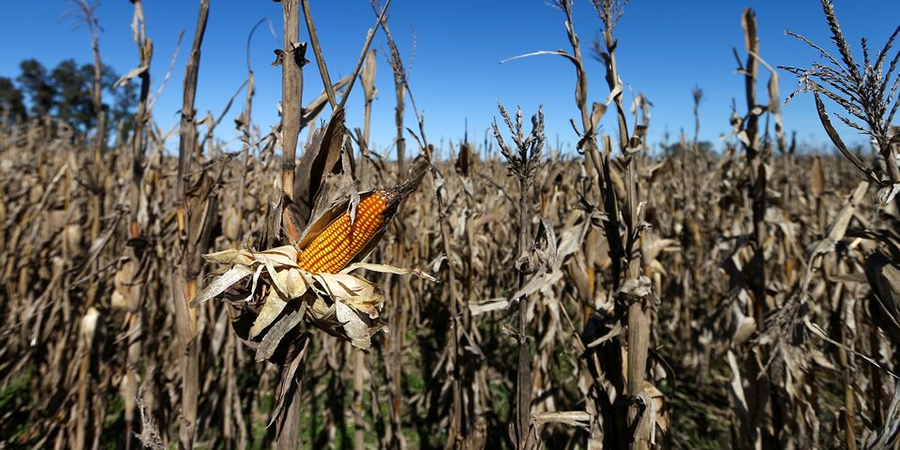
Ample rainfall in November had raised hopes for Argentina's first strong harvest in several years, but concerns about La Nina, a weather phenomenon often linked to dry conditions, have tempered optimism.
The impact of La Nina on Argentina's agricultural output remains uncertain, with forecasts divided on its trajectory over the coming months. Historically, La Nina, which marks the cold phase of the equatorial Pacific Ocean, has often resulted in dry weather across Argentina's grain belt during the critical summer growing season.
Argentina, the world's largest exporter of soybean products and a major supplier of corn, has struggled with below-average soybean and corn yields for the past four years, a trend heavily influenced by consecutive La Nina events.
Planting for both crops is roughly halfway complete, though efforts began slowly due to dry conditions lingering from the winter. The situation improved in November, with rainfall 30% above the month's average, offering hope for better yields.
Rainfall during February and March is crucial for crop development. Historically, strong November rains have slightly improved the chances of sufficient precipitation later, but La Niña conditions can still disrupt this pattern.
Last month, human forecasters estimated a 72% probability of La Nina persisting between December and February, while computer models suggested a 50% chance. This uncertainty underscores the importance of whether a weak or borderline La Nina develops, as the potential crop impacts could vary significantly.
Data from the last 20 years reveals that in nine December-February periods featuring La Niña conditions, only two resulted in above-average soybean yields in Argentina, while none saw better-than-average corn yields. However, a weaker La Nina does not always guarantee better results. For instance, last year's mild La Nina coincided with severe yield reductions, with soybean and corn harvests falling around 40% below normal levels.
Near-La Nina conditions have historically offered better outcomes for Argentina's crops. The 2016-17 season, which narrowly missed the La Niña threshold, saw above-average yields for both corn and soybeans. This is the scenario Argentine farmers hope for this year.
Argentina has not achieved a strong soybean or corn harvest in six years, but soybean plantings for the 2024-25 season are projected to reach an eight-year high. Even average yields could significantly boost soybean output, enhancing Argentina's competitiveness in global markets.
Last year's El Nino, typically favourable for Argentine crops, yielded only modest results for soybeans. Nonetheless, Argentina's soybean processors have been maintaining high production levels, comparable to years with larger harvests. This has exerted pressure on soybean meal prices, which are currently at multi-year lows.
Meanwhile, US soybean crushers are also operating at record levels, aiming to export a record volume of soybean meal in 2024-25. However, Argentina's new soy crop, expected to reach markets in April, could challenge US exports.
In the corn market, the US is expected to retain its position as the top exporter in 2024-25. However, Argentina's corn shipments are projected to reach multi-year highs, despite reduced plantings following a pest outbreak last year.
This forecast assumes modest yield expectations. Should Argentina experience favourable weather early next year, stronger yields could further bolster the country's global trade footprint.
- Reuters


