


December 9, 2024
New Zealand investigates second farm amid bird flu outbreak
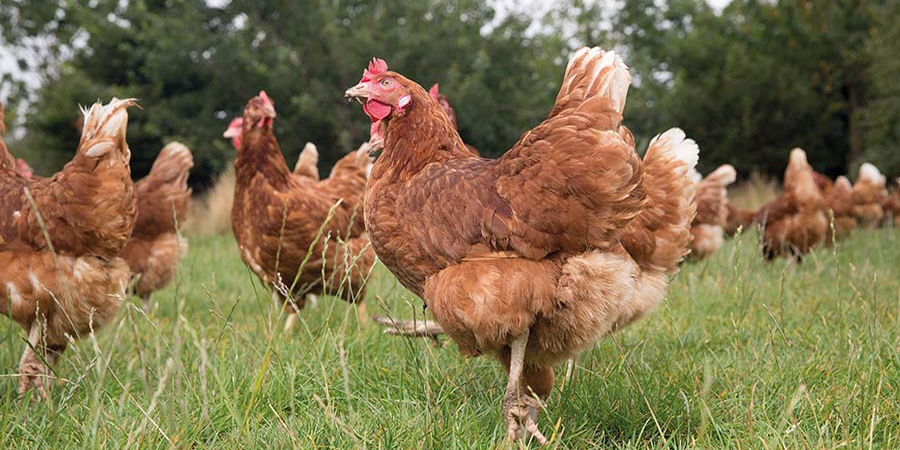
New Zealand officials are investigating a second chicken farm following reports of illness and bird deaths among its hens.
The property, a small free-range poultry farm located south of Dunedin, has been isolated as a precaution, though no link has yet been established with the first farm where the H7N6 avian flu strain was confirmed.
Biosecurity Minister Andrew Hoggard stated the second farm, approximately an hour away from the initial outbreak site, is unrelated to the first and distant from it. However, precise details about the second property remain undisclosed. Testing is underway to determine the cause of illness at the site.
The outbreak of H7N6 avian flu was first identified in New Zealand at an Otago Mainland Poultry farm in Moeraki. Sick chickens were noticed on November 25, with testing beginning on November 30. Authorities believe the virus was likely transmitted from wild waterfowl.
At the first farm, 80,000 birds are being culled after tests confirmed infections in two sheds. A 10 km buffer zone has been established, along with restrictions on the movement of animals, equipment, and feed.
Testing continues at the first farm, where the virus was detected in sheds 4 and 3B. Preliminary observations indicate normal behaviour in birds housed in sheds 1 and 2, though test results for these areas are still pending.
For the second farm, test results are expected by Wednesday night or Thursday. Investigators are examining whether any workers, contractors, visitors, or equipment may have been in contact with both farms in the past three weeks.
"At this stage, there's nothing obvious," Hoggard said. "The key rule here is you never make assumptions. You test, find out the evidence, rule things out, and proceed with the facts."
Six additional "at-risk" farms have been identified, though the second farm is not one of them. Hoggard noted that while reports of a second farm with sick birds are concerning, they are not unexpected given the situation.
Efforts to manage the outbreak are in full force. After culling the birds at the first farm, their carcasses and shed litter will be transported to a Southland landfill for burial in a deep, impermeable pit. The process is expected to take three to four days.
Mainland Poultry, the operator of the first farm, has expressed its commitment to containing the virus. Chief executive John McKay stated that the culling process adheres to the Code of Welfare, using CO2 containerised gas.
"This is a distressing situation for our team, but necessary to prevent the virus from spreading," McKay said. "Our proactive collaboration with the Ministry for Primary Industries (MPI) and the wider industry has allowed us to take swift action."
Farmers affected by the outbreak may claim costs under the Biosecurity Act for losses incurred. In a previous case involving Mycoplasma bovis, dairy farms were compensated for lost milk production and feed costs.
- RNZ News


