


December 6, 2024
Close to 40% of methane emissions from beef cattle cut with use of seaweed-based supplement
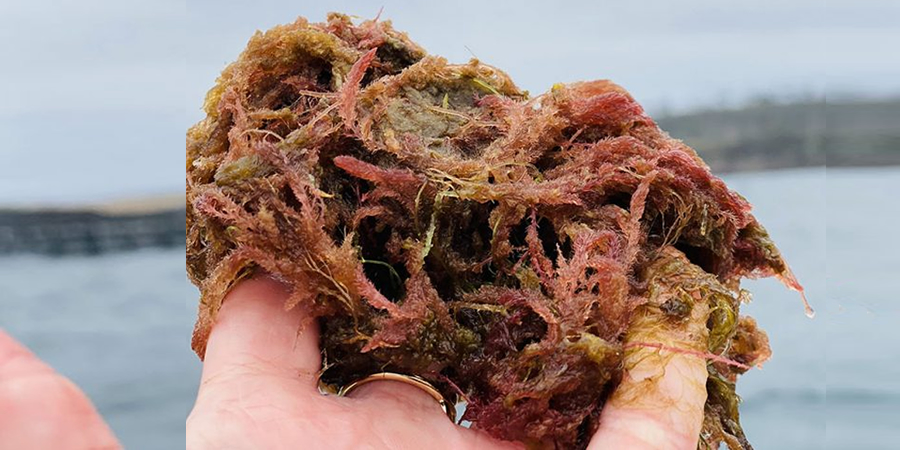
Researchers at the University of California, Davis (US), have discovered that feeding grazing beef cattle a pelletised seaweed supplement can reduce their methane emissions by nearly 40%, with no negative effects on their health or weight.
Those findings were published on December 2 in the Proceedings of the National Academy of Sciences. The groundbreaking study is the first to examine the effects of seaweed on grazing beef cattle, building on earlier research that demonstrated seaweed could cut methane emissions by 82% in feedlot cattle and more than 50% in dairy cows.
"Beef cattle spend only about three months in feedlots and spend most of their lives grazing on pasture and producing methane," said senior author Ermias Kebreab, professor in the Department of Animal Science. "We need to make this seaweed additive or any feed additive more accessible to grazing cattle to make cattle farming more sustainable while meeting the global demand for meat."
Kebreab said that daily feeding of pasture-based cattle is more difficult than feedlot or dairy cows as they often graze far from ranches for long periods. However, during the winter or when grass is scarce, ranchers often supplement their diet.
For this study, researchers divided 24 beef steers (a mix of Angus and Wagyu breeds) into two groups: one received the seaweed supplement, and the other did not. Researchers conducted the 10-week experiment at a ranch in Dillon, Montana, the United States. Since these were grazing cattle, they ate the supplement voluntarily, which still resulted in a nearly 40% cut in emissions.
Most research to reduce methane emissions using feed additives have taken place in controlled environments with daily supplements. But Kebreab noted in the study that fewer than half of those methods are effective for grazing cattle.
"This method paves the way to make a seaweed supplement easily available to grazing animals," said Kebreab. "Ranchers could even introduce the seaweed through a lick block for their cattle."
Kebreab said pastoral farming, which includes large grazing systems, supports millions of people around the world, often in areas vulnerable to climate change. This study suggests a way to make cattle grazing better for the environment and play a role in fighting climate change.
A related article in the same PNAS issue highlights the need to improve the efficiency of livestock production in low- and middle-income countries using better genetics, feeding, and health practices. UC Davis professor and Cooperative Extension Specialist Alison Van Eenennaam, the article's author, said it is the most promising approach to meet the global demand for meat while limiting greenhouse gas emissions.
The research was supported by Matador Ranch in Dillon, Montana.
- SciTechDaily


