


December 6, 2024
Global beef supply faces decline amid herd contractions
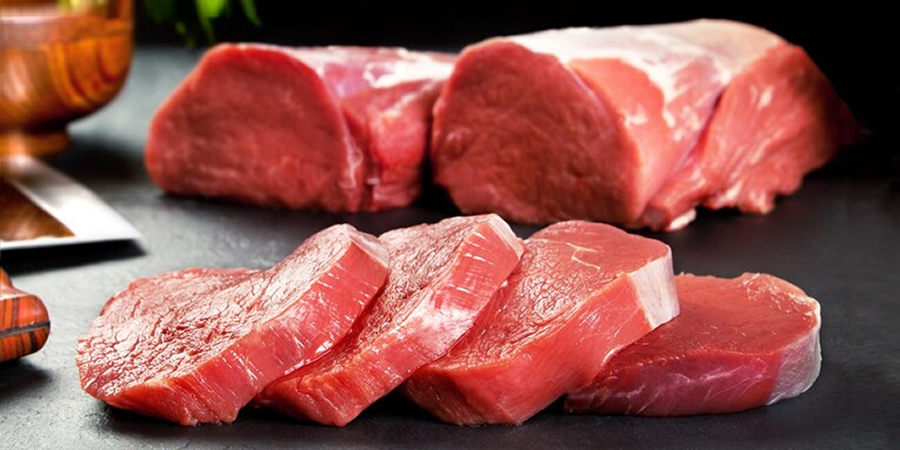
A contraction in cattle herds across the US, Brazil, China, and Europe is predicted to result in the first global beef supply reduction since the COVID-19 pandemic.
This shift is expected to reshape global beef trade flows in the coming year, according to a new report by RaboResearch.
In its Global Beef Quarterly report, titled Navigating Declining Global Production, Uncertainty in 2025, Rabobank projects Brazil and the US to lead the declines in beef production next year. The report also anticipates reductions in China, Europe, and New Zealand, while Australia may be the only top-10 beef-producing country to see year-over-year production growth in 2025.
The report highlights a disparity in cattle prices worldwide. North American cattle prices have remained high due to reduced cattle numbers and strong consumer demand. In contrast, some countries have experienced lower cattle prices, though this trend is beginning to shift. The tightening global beef supply is providing support for cattle prices in South America, Australia, and New Zealand.
Beef trade patterns are expected to adjust significantly. Australian beef producers are likely to depend more heavily on exports to absorb increased domestic production, while Brazil may prioritise global markets over domestic demand, which has remained lacklustre.
Weather patterns continue to be a critical factor in production levels. US producers are holding off herd rebuilding efforts, awaiting more reliable precipitation, while Brazilian production is being slowed by rain delays in the supply of pasture-fattened cattle. Australia has experienced relatively stable precipitation in recent years, though the threat of dryness remains.
Rabobank's lead author Angus Gidley-Baird noted that current weather conditions are expected to persist into 2025, with a La Niña weather pattern predicted to transition to a neutral phase by midyear. This could support Australian beef production while keeping declines in US beef production relatively small due to slow replacement heifer development.
New Zealand's total beef export volumes for the third quarter of 2024 dropped by 19% year-on-year, though average export values rose by 9% during the same period. According to RaboResearch senior agricultural analyst Jen Corkran, strong export volumes and values to the US drove the overall increase in export value.
US beef export values for quarter three were up by 19% year-on-year, averaging US$10.56/kg, marking one of the highest values recorded for New Zealand beef in the US market. However, this was partially offset by a 5% decline in export values to China, which averaged US$6.78/kg during the same period.
Farmgate pricing for beef cattle in New Zealand ranged from 15% to 19% above five-year averages in the third quarter of 2024, bolstering beef's position as a leading export for the country.
For the full 2023/24 export season, US exports dominated, with total volumes up by 9% year-on-year to 181,000 metric tonnes. In contrast, exports to China fell by 22% to 159,000 metric tonnes. Secondary markets also showed strong growth, with Japan and Canada increasing volumes by 46% and 50%, respectively, to 35,000 metric tonnes and 24,400 metric tonnes.
On-farm conditions in New Zealand have varied, with cooler-than-average weather impacting late winter and early spring. Pasture growth has been robust across the North Island, while the lower South Island experienced wetter, cooler conditions.
Looking ahead, December is expected to be a strong production month, as drier conditions in some eastern regions may push more animals to processing ahead of the summer heat. The decline in bobby calf numbers by 3.7% in 2024 suggests a potential increase in dairy beef reared for the beef herd, pointing to possible production growth in the coming years.
- Interest.co.nz


