


December 4, 2023
Sabah, Malaysia state government aims to boost meat self-sufficiency
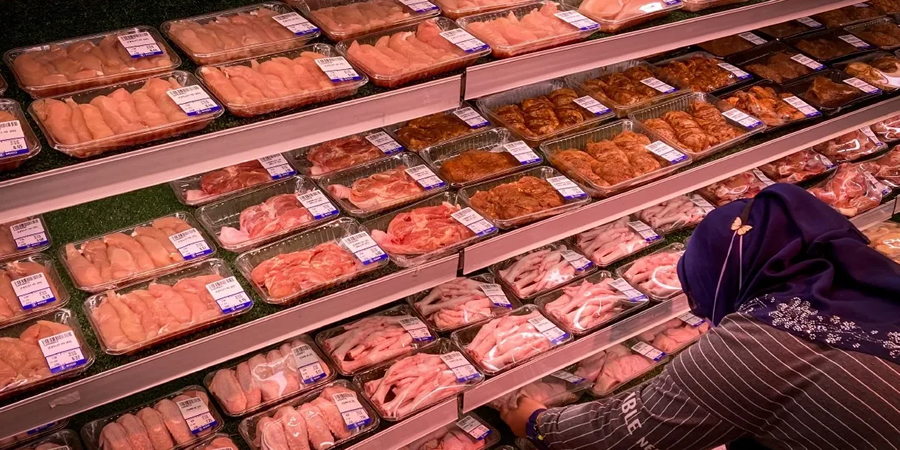
The state government of Sabah, Malaysia, is embarking on a mission to revitalise mega cattle farms and expand cattle breeding, said the state's Agriculture, Fisheries, and Food Industry Minister Datuk Seri Dr Jeffrey Kitingan, Daily Express reported.
The objective is to elevate Sabah's self-sufficiency level (SSL) in meat production, acknowledging the current low local livestock production compared to other commodities.
Minister Kitingan revealed that the Sabah Veterinary Services Department (DVS) has devised comprehensive plans for this initiative. Collaborating with a government-linked company (GLC) in Balung, Tawau, DVS Sabah aims to increase the beef cattle population through an advanced feedlot system. The ambitious plan targets an increase in the beef cattle population from 53,000 in 2023 to a projected 155,000 in 2030, anticipating a significant boost in Sabah's meat production SSL from 5.26% to a projected 25% by 2030.
To achieve this, DVS Sabah has implemented measures such as acquiring superior breeds, intensifying artificial insemination programmes, and providing bulls on loan for natural breeding. In 2023 alone, the department distributed 900 imported female cattle, 50 imported male cattle, 1,240 imported sheep and goats, 40 local hybrid Brahman cows, and 40 local Katjang goats to 37 participants, including two GLCs and 35 small farmers across Sabah. This livestock distribution programme is set to continue in 2024.
Minister Kitingan highlighted efforts to optimise animal feed ingredients, acknowledging feed as the most significant cost in animal husbandry. Concerned about rising feed prices, DVS Sabah actively provides training in food conservation management. Additionally, the department is exploring new food sources such as Pakchong napier, ensuring the production of quality food rations, and utilizing agricultural residues as a food source.
DVS Sabah has identified five strategic areas of departmental land in Papar, Kota Marudu, Tenom, Keningau, and Semporna that have the potential to be developed as fodder banks. These locations were chosen for their strategic positions, facilitating farmers in obtaining grass supplies for livestock feed in their respective districts.
- Daily Express


