


December 2, 2024
Aquaculture startups see record VC investment in 2023 but face 2024 slowdown
Venture capital (VC) investment in aquaculture startups reached an all-time high in 2023, with US$1 billion poured into the sector, according to new data from PitchBook.
However, the report indicates that 2024 is on track for a significant slowdown, reflecting broader trends in the venture capital market. As of September 2024, aquaculture investments stand at US$0.2 billion, a level not seen since 2019.
Aquaculture refers to the farming of fish, crustaceans, mollusks, and aquatic plants. PitchBook's report categorises the sector into various systems, including offshore aquaculture, closed-loop systems, aquaponics, and pond systems. Aquatic plants and algae form another segment, which ranks as the second-highest VC-funded category after closed-loop systems.
Nearly 200 startups are driving innovation in aquaculture, using advanced technologies to enhance efficiency, automation, and animal welfare, according to the report.
Northern Europe leads in the use of complex, capital-intensive systems, supported by major corporations such as SalMar and Mowi. These systems create opportunities for startups developing supportive technologies, making the region a magnet for agtech venture capital. The report notes that Europe benefits from the greater use of third-party aquaculture technology and more exit opportunities for smaller farms.
Iceland and Norway are top producers in Europe, with Norway standing out as the only European country among the top 10 aquaculture producers globally. Despite Asia dominating aquaculture production, the region has not attracted similar VC interest due to its reliance on less tech-intensive farming systems, such as freshwater ponds. China leads global aquaculture production, accounting for 55%, followed by India, Indonesia, Vietnam, and Bangladesh.
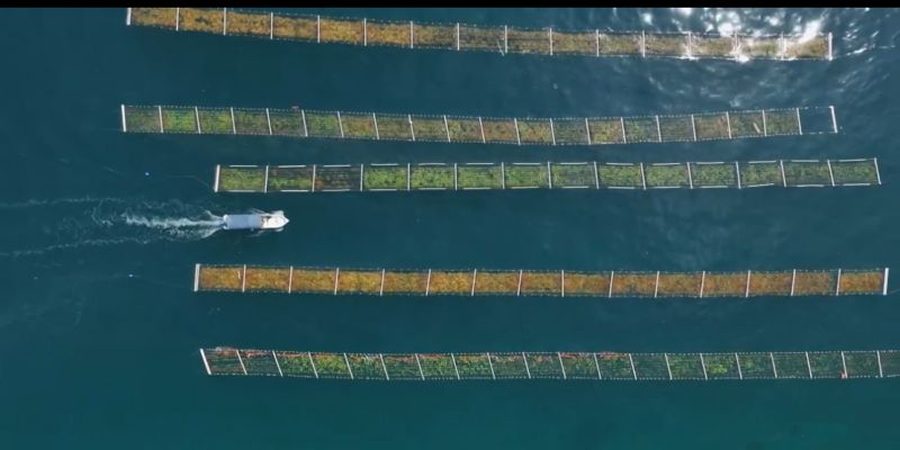
Plant aquaculture presents significant growth potential, according to PitchBook. Startups are exploring applications for aquatic plants and algae, including alternative proteins for animal feed and plant-based meat, sustainable agriculture inputs, and industrial products like bioplastics and biofuels. In 2023, this subsegment raised a record US$114 million across 12 deals, demonstrating its promise in addressing sustainability challenges.
Prominent companies in the plant aquaculture space include Sea6 Energy, which has raised US$32.3 million to date and focuses on using algae for biostimulants, animal feed, and biofuels. Brevel, with US$26.9 million in funding, works on algae for human consumption, while AlgaeCytes has raised US$21.6 million to produce Omega-3 supplements.
Aquaculture feed and feed supplements are highlighted as another key opportunity. The reliance on wild fisheries for feed contributes to ocean depletion, prompting startups to develop sustainable alternatives from insects and plants. Unlike the human alternative protein market, aquaculture feed has been more receptive to these innovations, with farmers showing a willingness to adopt sustainable solutions.
The food and feed supplements category have raised US$1.1 billion since 2020, outpacing all other aquaculture categories. However, the sector faces challenges. Ÿnsect, a prominent company in this space, recently filed a safeguard plan with a commercial court in France to continue operations while raising additional funds. This situation reflects growing investor caution around capital-intensive projects with extended timelines to profitability.
Other notable companies in the feed space include Innovafeed, which recently received a USDA grant, and MiAlgae, which raised US$18.5 million earlier in 2024.
- AgFunderNews


