


November 28, 2024
Seafarer union in New Zealand opposes resumption of live animal exports
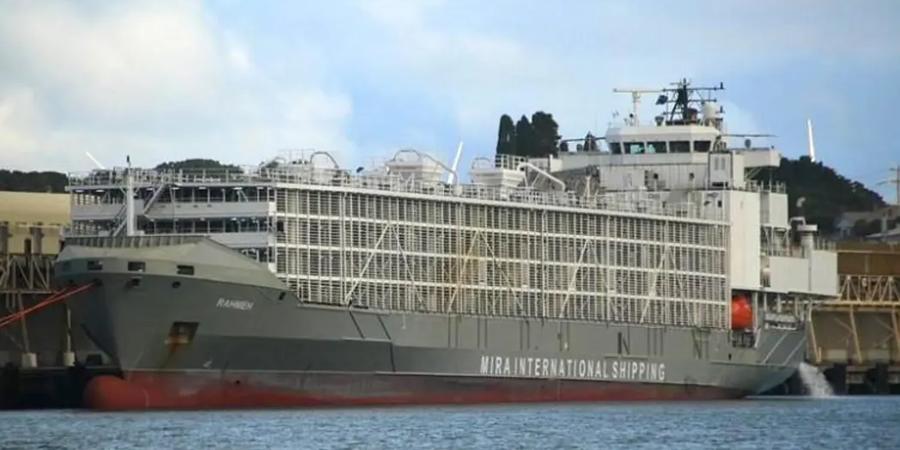
New Zealand's Maritime Union, representing both seafarers and stevedores, has voted to oppose the proposed resumption of live animal exports.
A ban was implemented by the previous government after the Gulf Livestock 1 capsised in 2020 leaving 41 crew and 6,000 cattle missing.
Maritime Union of New Zealand National Secretary Carl Findlay said the union confirmed its opposition to live animal exports at its National Conference in November 2024. He said the world is moving away from live exports, and New Zealand would benefit from being seen as a modern and progressive exporter by ending such practices.
"Our union supports adding value to primary exports in New Zealand, not outmoded and cruel practices," Findlay said. He added that the loss of jobs at meat processing plants within New Zealand should be the focus for the current government.
Findlay cited SPCA Chief Scientific Officer Dr Arnja Dale saying there is no way to achieve good animal welfare on long sea journeys on livestock carriers.
"More and more New Zealanders are now aware of the reality and don't support this trade," he noted.
An ABC investigation discovered that in the 18 months prior to the Gulf Livestock 1 sinking, Indonesian and Australian authorities recorded dozens of safety breaches aboard the ship. The Australian Maritime Safety Authority (AMSA) detained the vessel in Broome in May 2019 after concerns about navigation equipment and the stability of the vessel. It directed the exporter to reduce the number of cattle on board.
Maritime New Zealand oversaw the loading of the Gulf Livestock 1 in Napier before its final voyage but did not undertake maintenance inspections as the vessel was not categorised as "high risk."
Earlier in November, the New Zealand government's plan to repeal its ban on live export by sea was pushed back. In a statement, the minister championing the restart of the trade, Andrew Hoggard, confirmed a delay to the process and said he is committed to developing the highest standards of animal welfare.
Findlay said that poor practices are embedded in global live animal transport shipping and this presents a danger to both crew and livestock.
"The sinking of the Gulf Livestock 1 in 2020 as it travelled between New Zealand and China with the loss of 41 human lives and 5,867 cattle should never be forgotten," he added.
- Marine Link


