


November 26, 2024
FAO expects world's meat production to rise by 1.4% this year
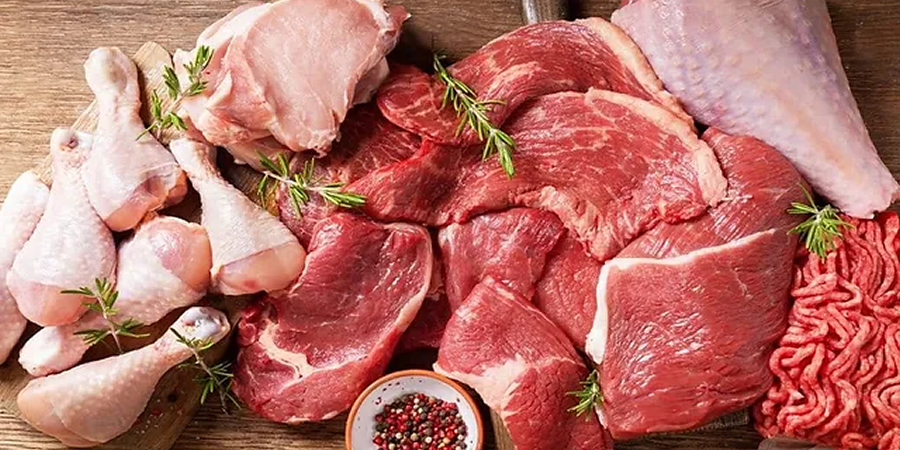
Global meat production was forecast to reach 373 million tonnes (carcass weight equivalents) in 2024, up 1.4% from 2023, according to an outlook by the Food and Agriculture Organization (FAO).
This growth is driven by anticipated increases in poultry and bovine meat production and a marginal rise in ovine meat, while pork output was forecast to decline slightly.
The anticipated increase in poultry meat production reflects strong consumer demand due to its affordability, with favorable operational margins despite highly pathogenic avian influenza outbreaks in some leading producing regions.
For bovine meat, the expected increase in global supplies stems from record-high cattle slaughter levels, mainly in Brazil, driven by a decline in production costs and robust global import demand.
Global pork output is anticipated to drop slightly, primarily reflecting efforts in China to limit production growth and raise sector profitability. However, this will likely be partially offset by increased production elsewhere.
After two years of contraction, global trade in meat and meat products is forecast to reach 41.9 million tonnes in 2024, an increase of 3.2% from 2023. The expected growth is principally driven by higher demand for bovine meat imports by the United States due to limited domestic supplies, as well as rising consumer demand in many other importing countries.
In addition, ample export availabilities from some major producing countries, combined with the removal of animal disease-related trade bans and reduced tariffs aimed at stabilising domestic prices, will likely bolster global meat trade.
Except for bovine meat, China's meat imports are forecast to decline in 2024 due to abundant domestic supplies and weak consumer demand amid slower-than-expected economic growth.
International meat prices, as tracked by the FAO Meat Price Index, have trended upward throughout 2024, despite increased supplies from some major producing countries. This rise has been primarily driven by strong global import demand from several key countries due to limited domestic supplies and improving economic conditions.
Furthermore, widespread animal disease outbreaks and geopolitical tensions affecting global trade logistics have exerted more upward pressure on global meat prices.
- FAO


