


November 25, 2024
Malaysian university develops pellets from moringa leaves as feed for ruminants
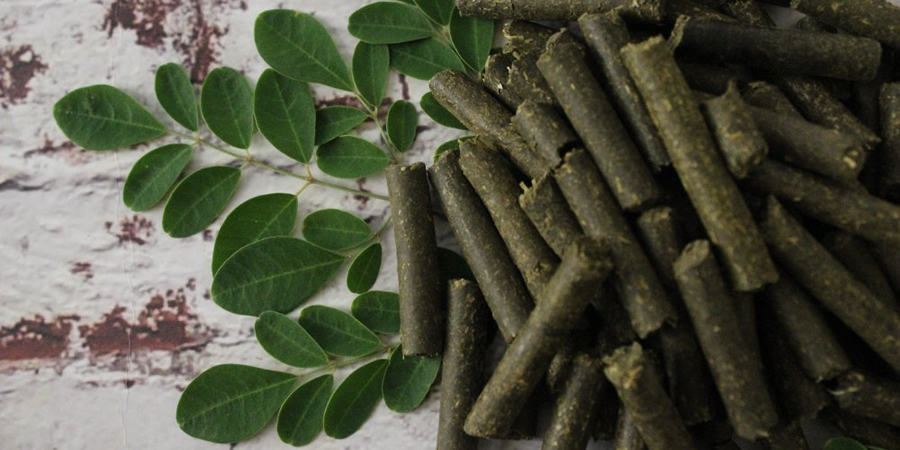
Universiti Teknologi Malaysia (UTM), a university in Johor Bahru, Malaysia, has created pellets from moringa leaves to help ruminant farmers counter the high cost of imported feed.
UTM science faculty bioscience department senior lecturer Dr. Mira Panadi said she created the MoringaPro Pellet from locally sourced raw materials.
"The production uses moringa leaves, which are a main source of protein, enriched with vitamins A, C and E, as well as important minerals such as calcium, iron and potassium," Dr. Panadi explained. "This innovative formulation supports livestock health with better results than conventional feed.
"The product is not only rich in nutrients, but in pellet form, it is more effective and safer than feeding the leaves directly to animals.
Dr. Mira said the product was patented in October through the Malaysian Intellectual Property Corporation (MyIPO) to protect its formulation and production process. It also won a gold medal at the UTM Industrial Art and Technology Exhibition (Inatex).
Dr. Mira said the pellets demonstrated the versatile potential of local plants, especially moringa leaves, being used as a high-quality, sustainable alternative to conventional livestock feed based on soy and grains.
"A six-month study showed that these pellets promote healthy growth and improve livestock health," she added.
Dr. Mira noted that the moringa leaf content requirements varied for each farm animal.
For example, horses only need 11% of moringa leaf content, while for goats and cows, it is 16% and 20% for chickens as they need more protein.
"In addition to reducing dependence on expensive imported feed, this innovation helps increase competitiveness in the industry," Dr. Mira said.
She said the MoringaPro Pellet would save farmers up to 72% in the cost of livestock feed.
"MoringaPro Pellet prioritises environmentally friendly local ingredients," Dr. Mira added. "And these pellets not only reduce the carbon footprint but also support the economy of local farmers."
- The Star


