


November 21, 2025
Indonesia's poultry farming to potentially be supported by US$1.2 billion from sovereign wealth fund
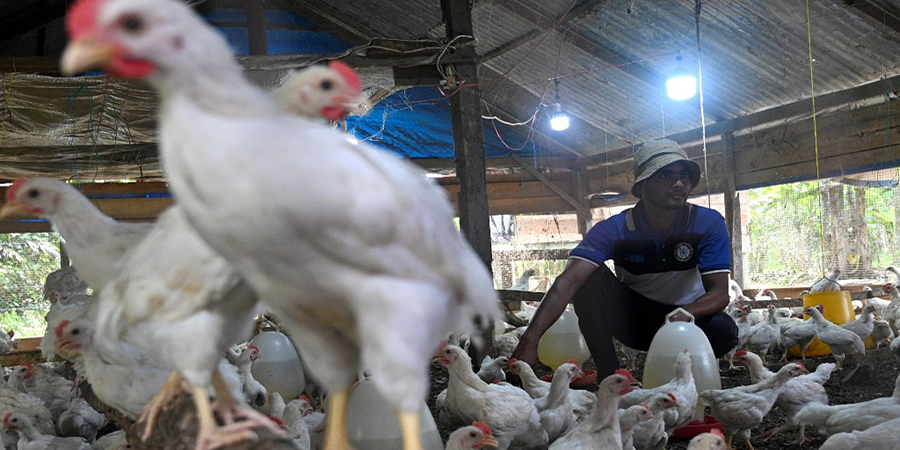
Indonesian sovereign wealth fund Danantara is planning to inject Rp20 trillion (US$1.2 billion) into Indonesian poultry farmers as the nationwide school-feeding programme is bound to have more mouths to feed, according to the agency responsible for the meal rollout.
The appetite for more chicken and eggs is growing in Indonesia following President Prabowo Subianto's flagship free meal programme aimed at improving children's nutrition.
Local news outlets reported that Danantara was mulling spending Rp20 trillion to build poultry farms from scratch in response to the soaring demand. The National Nutrition Agency (BGN), which is in charge of the meal rollout, confirmed the amount.
However, the cash injection was meant for something else, said BGN's deputy chief Nanik Sudaryati Deyang.
"The Rp 20 trillion is actually meant to pay our farmers. It's not that Danantara will set up its own farms," Nanik said in a clarification statement to the press on November 17.
Nanik said that the money would prevent prices from rising due to shortages of eggs and poultry meat. She went on to say how Indonesia envisions an integrated poultry ecosystem involving its state-owned enterprises at the upstream and small-scale farms at the downstream.
Danantara's chief operating officer, Dony Oskaria, recently said that the government would draft a joint ministerial decree on poultry farming. However, he admitted that the fund was still conducting further evaluations on its possible involvement in the poultry sector.
Danantara has taken charge of all state-run enterprises, including the country's major lenders like BNI and BRI, as well as the agrifood producer ID Food. Lawmakers had previously raised concerns over Danantara reportedly setting up poultry farms, citing the plan's possible impact on small producers.
BGN's chief Dadan Hindayana announced last week that the free meal programme had served around 41.6 million people so far, although some schools had witnessed mass food poisonings. This shows how Indonesia is still only at the halfway mark of its target to feed 82.9 million individuals. A total of 14,773 public kitchens are taking part in the programme. BGN's estimates showed that a single public kitchen would need four cages of egg-laying chickens and nine others for broilers.
"If we do not have six million chicken farmers by next year, we will face a shortage," Dadan told lawmakers. "And that's only under the scenario if we serve chicken eggs twice a week. … We also need to have one million new farmers meant to raise meat."
- Jakarta Globe


