


November 21, 2024
New project prepares US cattle producers for foreign disease risks
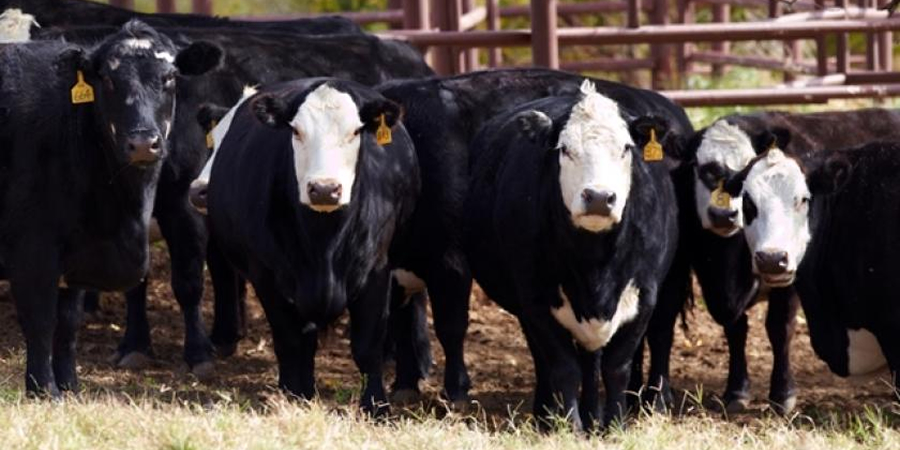
A new initiative by the Oregon State University (OSU) Extension Service seeks to establish a rapid information network to combat the risks posed by foreign animal diseases like foot-and-mouth.
The project involves Cooperative Extension livestock specialists and state veterinarians in Oregon, California, and Idaho, aiming to protect cattle producers from significant financial and production losses.
Sergio Arispe, an associate professor in OSU's College of Agricultural Sciences and Extension livestock and rangeland faculty member, leads the project. He has secured nearly US$75,000 in funding through the Western Extension Risk Management Education Centre, provided by USDA's National Institute for Food and Agriculture.
Arispe highlights the urgency of the project considering recent developments such as the highly pathogenic avian influenza that has affected dairy cattle populations in the United States.
The project aims to mitigate risks to cattle producers by collaborating with state veterinarians, Beef Quality Assurance (BQA) coordinators, and trainers. The goal is to enhance training and certification efforts, reaching at least 500 cattle producers across the three states.
Using a "train the trainer" model, the initiative involves equipping Cooperative Extension employees with the tools to share updated information through their networks. This approach ensures timely dissemination of best practices to cattle producers, particularly in preparation for potential outbreaks.
Trainings will cover updates to the BQA curriculum, focusing on protocols that promote safe and wholesome beef while mitigating risks. Trained Cooperative Extension agents will present at state cattlemen's association meetings and conduct local workshops.
"The local agents have more trust in the community, and they have more contacts," Arispe explains. "This helps amplify the message through Extension publications, workshops, and presentations."
A key aspect of the project is preparing producers for the realities of foreign disease outbreaks. For example, foot-and-mouth disease is highly transmissible among cloven-hoofed animals worldwide. Arispe stresses the importance of educating producers about the potential impact on transportation and other logistical challenges.
"There will be at least a 72-hour national standstill declared by the USDA for all cloven-hoofed animals if foot-and-mouth disease is ever found in the US," he says. "A lot of producers don't know that, and that's only the beginning."
The project also supports producers in creating enhanced biosecurity plans. These plans are crucial for clearing livestock for transportation if they are in high-risk areas, thereby avoiding significant financial setbacks.
"Our efforts aim to have enhanced biosecurity plans complete for at least 20% of the confined cattle population within each state," Arispe says.
The initiative provides a framework for proactive measures to mitigate production, market, and financial risks. It also outlines the process by which cattle producers can resume business operations following an outbreak.
- Bovine Veterinarian


