


November 20, 2025
Feed costs make production costs of Philippines' pork, chicken among highest in Asia
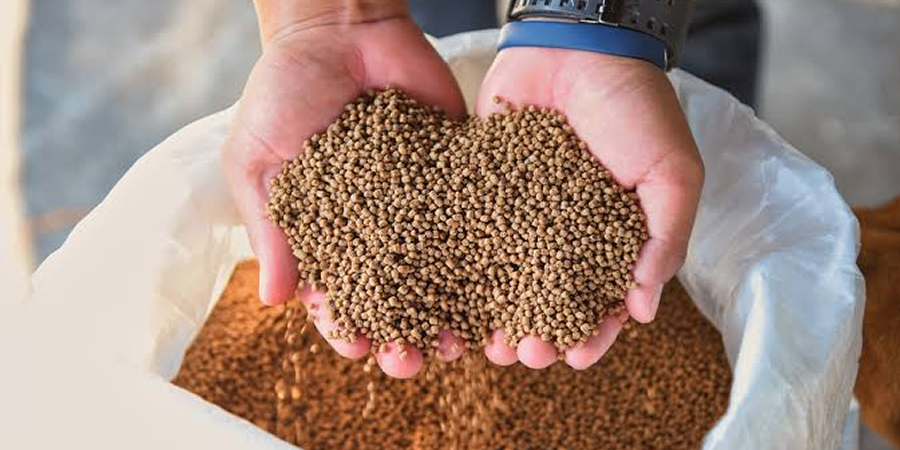
Pork and chicken production costs in the Philippines are among the highest in Asia due to high feed costs, the Philippine Institute for Development Studies (PIDS) said.
In a report on the livestock, poultry and dairy (LPD) industries, the government think tank said hog farms in the Philippines consistently post higher costs than counterparts in China, Thailand and Vietnam.
Citing data from 2017 to 2020, PIDS said backyard hog farms have operating costs of ₱148.26/kg (US$ 2.51). Commercial farm costs are about ₱112.40/kg (US$ 1.90) due to the benefits of scale.
Chinese commercial farm costs are the equivalent of ₱106.97/kg (US$1.81), with Thailand at ₱97.53/kg (US$ 1.65), and Vietnam at ₱120.44/kg (US$ 2.04).
Major pork exporters, such as Spain and Denmark, produce hogs at a cost equivalent to ₱86.50/kg (US$1.47).
A more recent estimate from the Department of Agriculture puts production costs for hogs at ₱165–₱180/kg (US$2.80–3.05).
According to PIDS, hog feed accounts for about 57% of operating expenses.
The study said that while growers in the Philippines pay less for grower stock, this advantage is offset by more expensive feed.
High feed costs similarly affect chicken production. For broiler farms, PIDS estimated production costs at around ₱71/kg (US$1.20, on a live-weight basis) for commercial operators and up to ₱78/kg (US$1.32) for backyard growers, with estimates based on 2018 data.
"The Philippines is not a competitive producer of broilers compared to Asian benchmark countries; the costs of feed and day-old chicks are the largest cost contributors," the report said.
The study linked high costs to elevated corn prices, a primary ingredient in animal feed. Corn prices in the Philippines remain higher than in neighboring countries, pushing up the cost of manufactured feed used in both swine and poultry farming.
"Corn… is priced relatively low in Thailand but relatively high in the Philippines, partly due to high corn tariffs … the price of corn is a major driver of feed costs, indirectly affecting the cost of pig and chicken meat," the study said.
According to PIDS, corn prices in the Philippines are among the highest in the region, with wholesale prices ranging from US$0.42 to US$0.44 per kilo, compared with US$0.28 to US$0.38 in China, US$0.22 to US$0.29 in Vietnam, and US$0.19 to US$0.24 in Thailand.
PIDS is urging the government to undertake a comprehensive review of trade policies affecting the value chain to "enhance the competitiveness of the LPD industries."
"For instance, the protection policy for corn increases the cost of domestically produced feed, thereby raising the cost of livestock and poultry farming… to improve efficiency and ensure equitable treatment of stakeholders, including consumers, trade policies should be carefully recalibrated alongside production support measures," PIDS said.
- Business World


