


November 19, 2025
Philippines escalates surveillance to ensure proper handling and labeling of frozen meat
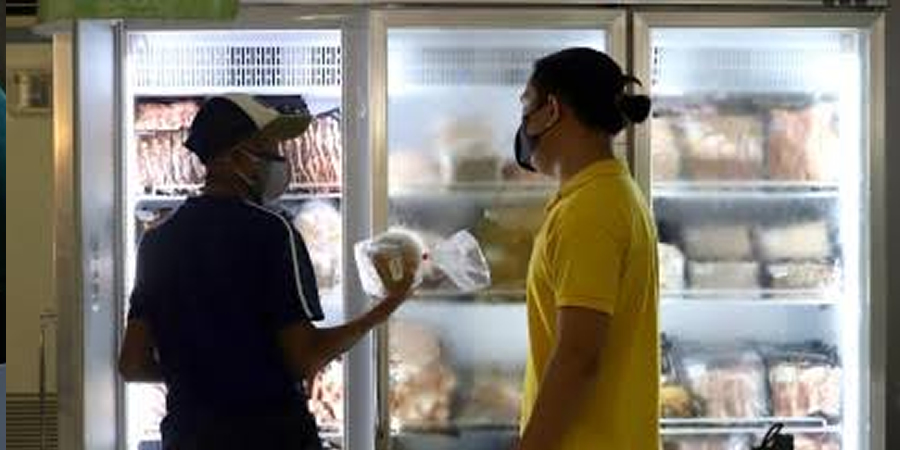
The Philippines' Department of Agriculture (DA) has intensified its surveillance of supermarkets and wet markets nationwide to ensure proper handling and labeling of frozen meat, amid growing concerns over food safety and unfair retail practices.
In a news release on November 14, Agriculture Secretary Francisco Tiu Laurel Jr. said he had already ordered the Agribusiness and Marketing Assistance Service (AMAS), Bureau of Animal Industry (BAI), and National Meat Inspection Service (NMIS) to conduct stricter inspections and ensure retailers' compliance with proper labeling and storage regulations.
"Frozen meat must be properly labeled and stored," he said.
"Retailers cannot pass off frozen products as fresh. Food safety and fair trade are non-negotiable."
The DA said some sellers continue to market frozen pork as fresh, misleading consumers, and undercutting legitimate retailers and local producers.
It added the intensified monitoring aims to bring transparency to the meat market, protect consumers, help restore profitability to local hog raisers amid persistent price volatility, and help instill discipline in the meat supply chain.
The order also aligns with ongoing initiatives to stabilise the hog industry, as farmers struggle with declining farmgate prices despite little movement in retail costs.
Hog producers currently sell live hogs at ₱150/kg (US$2.56) to ₱180/kg (US$3.07), prompting the DA and industry groups to increase it to the ₱210-per-kilo minimum farmgate price (US$3.58) to prevent further losses.
Even with lower farmgate rates, Tiu Laurel said liempo (pork belly) remained at around ₱400/kg (US$6.81), which points to inefficiencies or unfair pricing practices in the supply chain.
The DA said it is studying the reimposition of a maximum suggested retail price (MSRP) on pork to protect consumers.
"Farmgate prices have dropped sharply, yet consumers haven't felt any relief. This imbalance needs to be addressed," Tiu-Laurel said.
Industry groups, including the Samahang Industriya ng Agrikultura (SINAG), National Federation of Hog Farmers Inc. (NFHFI), and Pork Producers Federation of the Philippines (PROPORK), also echoed the concerns and backed the call to restore pork import tariffs to 40% from the current 25% under Executive Order 62.
They said lower duties have encouraged over-importation and squeezed local producers.
Meanwhile, the DA is set to issue an administrative circular reclassifying pork jowls to ensure they receive the appropriate tariff, following rising demand from food processors and restaurant operators.
— PNA


