


November 14, 2025
Study calls for strong focus on livestock farming in dealing with climate change
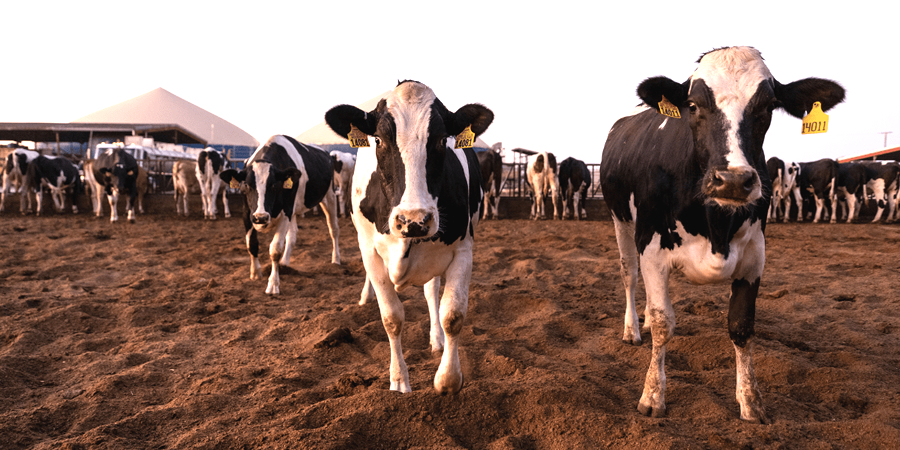
A vet and academic has described livestock farming as a "blind spot" amid calls for the industry to be given specific greenhouse gas emission reduction targets.
As debates continue at the COP30 summit in Brazil, a new study has claimed the sector should be placed at the "core" of efforts to tackle climate change.
The paper, published in the Animals journal, concluded that animal agriculture accounted for 12-20% of annual global emissions.
But it also warned that proportion could be even higher as it urged the summit to set "region-specific commitments to reduce production and consumption of animal-sourced foods".
One of the paper's authors, Andrew Knight, said: "Industrial livestock farming represents a critical blind spot in global climate policy.
"However, placing food system reform – particularly the reduction of animal-based products – at the centre of climate action could unlock enormous benefits for both people and the planet."
In recent months, some clinicians and scientists have argued that ongoing work to breed methane-efficient cattle can help to tackle the problem, rather than adding to it.
Delegates at the recent BCVA Congress in Edinburgh, Scotland, the United Kingdom, were also told that cattle could be "one of the solutions to climate change" by eliminating methane.
But Prof Knight warned the industry should be "realistic" about the significant global reductions that he believes are needed for such measures to be truly effective.
He said: "Technological solutions to the problem are not yet sufficiently impactful, nor widely available nor affordable for farmers, and nor can these be realistically expected in the timescale needed.
"There is no avoiding the need for a wholesale transition towards a more sustainable, plant-based food system, if we are to have any realistic prospect of avoiding catastrophic future climate change."
- Vet Times


