


November 14, 2025
RFID technology enhances pig traceability to safeguard the industry
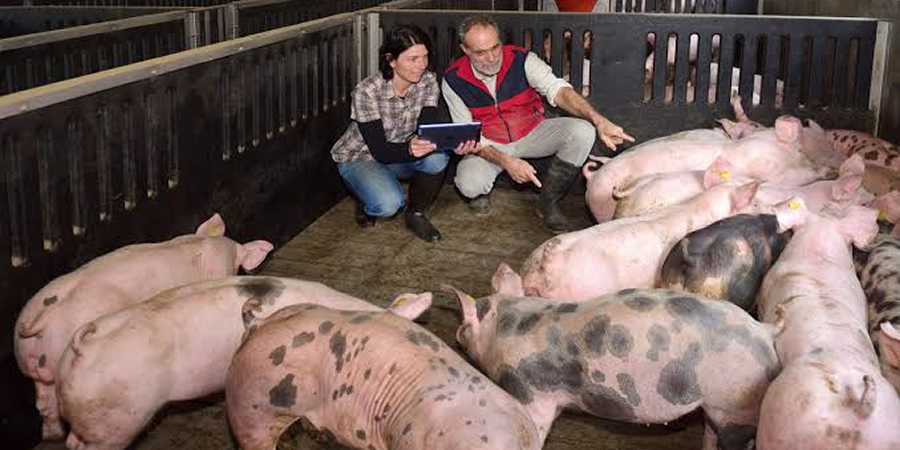
In the event of a disease outbreak, efficient and accurate swine traceability could help minimise the number of animals affected and speed up response efforts.
Dr Brent Pepin, director of swine health with the National Pork Board in the US, emphasises how show pigs may impose disease risks because of their frequent travel.
"I mean, show pig producers move a lot of pigs, a lot of pigs individually, in small groups, which is different from the commercial guys. Because the same pig might go to multiple locations, if there's ever sort of an issue or a disease issue, that pig could have multiple contacts, and we need to be able to figure out where those contacts are, for the protection of our whole swine industry."
The National Pork Board is working to improve traceability efforts through cooperative agreements with the United States Department of Agriculture- Animal and Plant Health Inspection Service (USDA-APHIS) to distribute radio frequency identification (RFID) reader technology to exhibition sites.
"Up to four handheld RFID readers, they can utilise for checking pigs into their exhibition sites. It's a very good opportunity to start making it easier to check in pigs to the show. First of all, it decreases the amount of time you have to spend looking at each individual pig's ID in their ear. You can just scan their RFID for you to tag. You can pull up the individual animal number. You can send them on their way to get through the check-in process."
Like exhibition sites, the National Pork Board is also addressing a gap in the traceability of cull sows. Each cull sow facility can receive up to four handheld RFID readers and five RFID reader panels. When pigs walk off the truck, they walk by the RFID panels, where their number can be pulled if they have RFID 840 tags. Regardless, each exhibition or cull sow market site must have a valid Premise Identification Number to receive RFID equipment.
"And for those locations, because they're going to bring in a high volume of pigs going through those sites, they actually qualify to get funding for panel readers. And what those are is, they're stationary readers that pigs actually walk by, and then, as the pig walks by, it pulls their tag information from that RFID tag."
As the pork industry continues improving traceability efforts, these cooperative efforts with the USDA represent a significant investment in the infrastructure to further protect the national swine herd. Eligible facilities and locations are encouraged to take advantage of this opportunity while funds remain available through September 2026 to help build a more responsive national system.
- Southern Farm Network


