


November 14, 2024
Weather disturbances challenge Philippine corn self-sufficiency goals
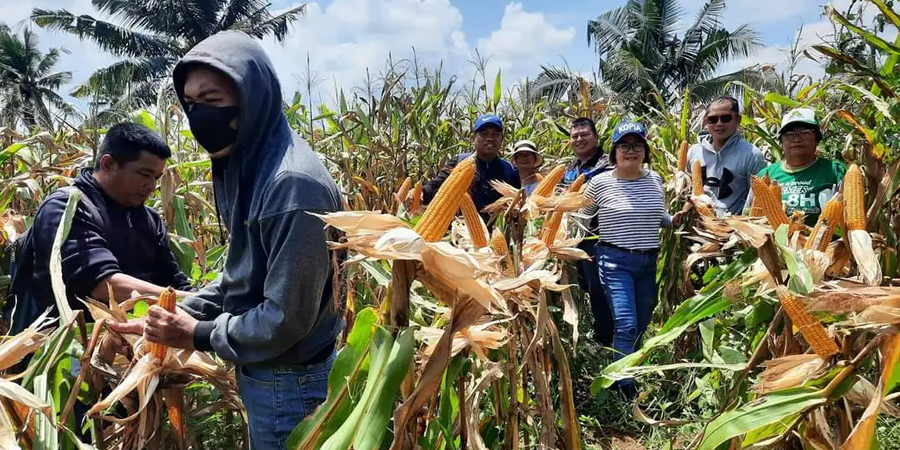
Weather disturbances remain a significant obstacle to the Philippines' goal of improving corn production, according to feed millers, warning that disruptions in production could impact feed prices, leading to instability in food prices.
The Philippines' Department of Agriculture (DA) has set a target of achieving an 81% corn self-sufficiency rate. Feed millers believe that meeting this target would help reduce reliance on imports and generate savings on tariffs, which could potentially lower both feed and food prices.
As of November 5, 2024, the DA reported that recent weather disturbances had caused damage to 377,378 metric tonnes of corn crops, valued at PHP 7.1 billion (US$120 million).
"If domestic corn production increases and meets a significant portion of demand, it could potentially lower the cost of animal feed," said Edwin C Mapanao, president of the Philippine Association of Feed Millers Inc. "Corn is a primary ingredient in feed and reducing reliance on imports can decrease costs associated with transportation and tariffs."
According to the Philippine Statistics Authority, corn production in the third quarter increased by 1.3% to reach 2.5 million metric tonnes.
In June, President Ferdinand R Marcos, Jr. signed Executive Order No 62, extending reduced tariffs on corn imports until 2028. Under the order, tariffs remain at 5% for shipments within the minimum access volume (MAV) quota and 15% for those exceeding the quota.
However, Mapanao noted that the impact on feed prices will depend on various factors, including global grain prices and demand for animal products.
The DA has allocated PHP 5.32 billion (US$90.4 million) to its National Corn Programme to improve production. The programme includes funding for better planting materials, fertiliser, training, postharvest machinery, and small-scale irrigation projects.
Mapanao stressed that achieving the self-sufficiency target will depend on favourable weather patterns, effective pest and disease management, efficient farming technology, and continued government support through subsidies and infrastructure.
Despite these efforts, frequent typhoons and the impacts of climate change remain a persistent threat. "These factors can severely disrupt agricultural activities, damage crops, and make it difficult to meet production forecasts," Mapanao said.
He recommended that the Philippines focus on developing resilient farming practices, strengthening disaster preparedness, and investing in climate-smart agriculture to counter these challenges.
The country faces a heightened risk of tropical cyclones in the coming months due to La Nina. The Philippine Atmospheric, Geophysical and Astronomical Services Administration (PAGASA) has reported a 71% probability of La Nina occurring between November and January, which could exacerbate weather-related disruptions.
- BusinessWorld


