


November 14, 2023
Philippines' agriculture sector sees consecutive quarterly decline in production
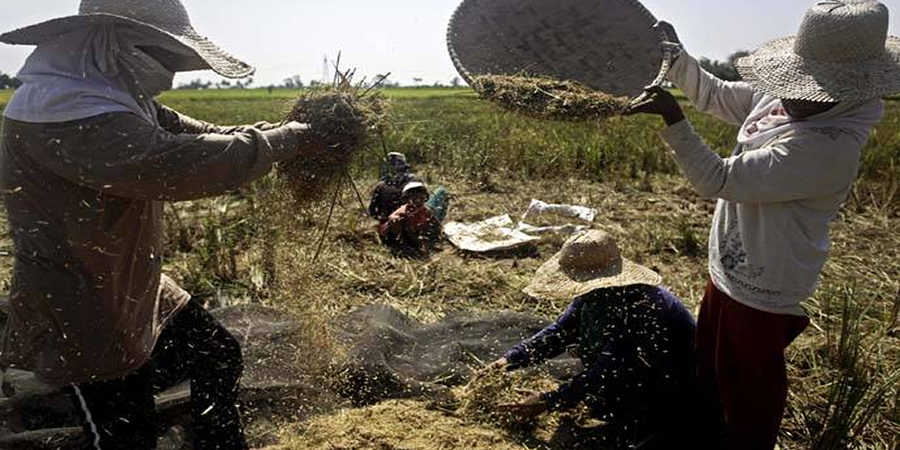
The Philippines experienced a second consecutive quarterly decline in the annual production value of its farm and fisheries sector during the July-September period, The Star reported.
The reduction in crop and fisheries output contributed to this contraction, although the pace of decline moderated, alleviating some of the drag on overall growth from the rural sector.
In the third quarter, livestock and poultry production showed positive growth, expanding by 2.5% and 2.9%, respectively, according to the Philippine Statistics Authority's report. This growth helped offset the 0.4% contraction in crops and a more substantial 6.1% decline in fisheries production. Crops constitute nearly half of the agriculture sector's total output, with the farm sector accounting for less than a tenth of the domestic economy's overall output.
Former Agriculture Secretary, President Ferdinand Marcos Jr, who recently handed over the portfolio to a local company executive, emphasised the government's vigilance in monitoring the potential impact of El Nino on food prices.
Food holds a significant weight in the Philippines' consumer price index, contributing to half of the index. Despite a modest slowdown in October, with a rise of 4.9% compared to September's 6.1%, inflation concerns persist for the central bank. The central bank expressed readiness for further policy actions to anchor inflation expectations, citing risks to its inflation outlook skewed significantly to the upside.
In response to inflation worries, the central bank implemented an off-cycle hike of 25 basis points last month, aiming to prevent inflation from spiralling out of control. The year-to-date average inflation rate of 6.4% remains well beyond the central bank's comfort range of 2% to 4%. As the central bank prepares to meet on November 16, it awaits third-quarter annual economic growth data scheduled for release on Thursday.
- The Star


