


November 14, 2022
Philippines to import 20% more pork this year
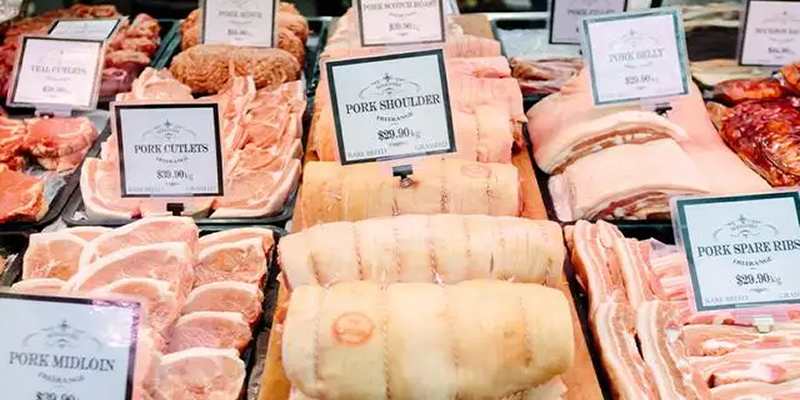
The latest report from the United Nations' Food and Agriculture Organization (FAO) showed the Philippines will import 20% more pork this year as livestock diseases such as African swine fever (ASF) threated the local swine population, BusinessMirror reported.
According to FAO data in its most recent report, "Food Outlook," the Philippines will import 394,000 metric tonnes of pork this year, up 18% from the anticipated 332,000 metric tonnes imported in 2021.
The FAO said the Philippines must import pork because domestic production will not be sufficient to meet local demand for pork this year. The FAO estimates that this year's pork production may drop by 4% to 1.139 million metric tonnes, falling short of the estimated 1.531 million metric tonnes in domestic pork demand.
The new forecast made in the report would be an all-time high and a 10% increase over the previous record level of 2021, though the rate of the increase is anticipated to slow down in response to higher global food prices and currencies losing value relative to the US dollar. Both have an impact on the countries that import food as well as their ability to buy that food.
High-income nations are primarily responsible for the increase in the bill because of higher global prices, though volumes are also anticipated to rise. Groups of nations with weak economies are more impacted by the higher prices.
One indicator of a growing accessibility issue for these nations is the aggregate food import bill for the group of low-income countries, which is predicted to decrease by 10% in volume terms but remain almost unchanged.
The Food Outlook report, which breaks down food trade patterns by food groups, warned that already-existing differences are likely to become more pronounced. High-income countries will continue to import the full range of food products, while developing regions will increasingly concentrate on staple foods.
The FAO said they welcome the International Monetary Fund's approval of a Food Shock Window in this context, based in large part on FAO's proposal for a food import financing facility to ease the burden of lower income countries' rising food import costs.
The Food Outlook evaluates global spending on imported fertilisers and other agricultural inputs. The cost of importing inputs globally is projected to increase to US$424 billion in 2022, up to 112% from 2020 and 48% from the previous year.
The anticipated increase is caused by higher energy and fertiliser import costs. Both put pressure on the current accounts of low-income and lower middle-income countries and are particularly relevant in import bills. As a result, some nations may be compelled to decrease the amount of input they apply, which will inevitably lower agricultural productivity and domestic food availability.
The FAO said negative consequences for global agricultural output and food security are likely to last until 2023.
- BusinessMirror


