


November 11, 2025
US not yet ready to lift ban on Mexican cattle due to screwworm outbreak
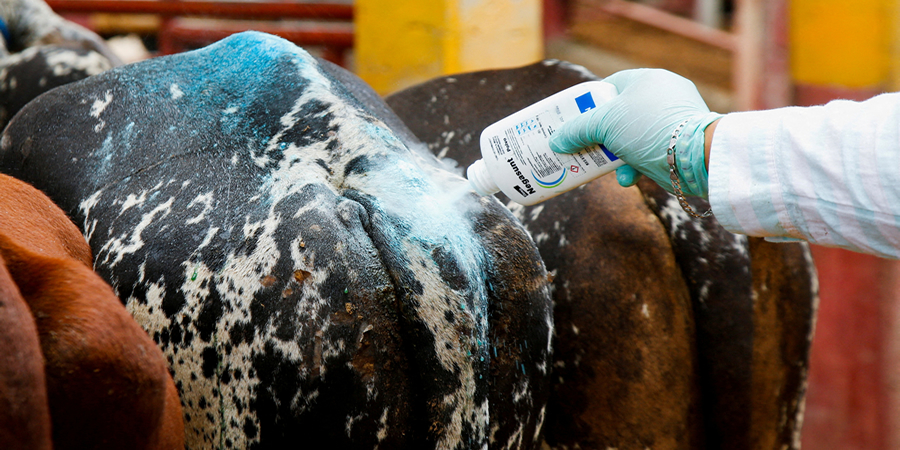
The US is not yet prepared to reopen its border to Mexican cattle amid an outbreak of the flesh-eating New World screwworm parasite, US Agriculture Secretary Brooke Rollins said, though she commended Mexico's efforts to control the pest.
Rollins, recently in Mexico City for meetings with officials including President Claudia Sheinbaum, told Reuters in an exclusive interview that President Donald Trump was "very focused" on reopening the border, which has been largely closed to Mexican livestock since May.
"We're still not at the point where I am comfortable opening the ports, but I think every day that goes by we get a little bit closer," Rollins said.
"I want to have every confidence that we have overturned every stone, that we understand every nuance, that we are deploying every tool in the toolkit," she added.
Rollins, who declined to give a time frame for reopening the border, said she would speak to top US officials about the issue on Wednesday and would have more conversations about screwworm with Trump.
Mexico's agriculture ministry did not respond to Reuters' request for comment.
Mexico has been working to contain the outbreak, which has spread northward from Central America, rattling the livestock and beef industries of both the US and Mexico.
Although US officials say the pest has not yet breached the US border, it threatens US$1.8 billion in damage to Texas' economy alone, according to a US Department of Agriculture estimate.
In September, Rollins criticised Mexico for failing to sufficiently implement measures to stop the screwworm's spread, highlighting growing tensions between the two nations as the pest continues its advance north.
But after her meetings with Mexican officials, she said the efforts of both countries were "a completely different, more sophisticated, impressive operation," than where they were in the spring.
Mexican officials "have taken it very seriously," Rollins said, adding that she was "very impressed" with Sheinbaum.
"I believe sincerely, it is the most collaborative effort, perhaps in our lifetime, between the two different departments of agriculture."
Rollins said there had been 11 cases of screwworm in Mexican states that border the US in recent months, though they were all contained and treated.
Screwworms are parasitic flies whose females lay eggs in wounds. Their larvae burrow through living flesh, eventually killing their host if left untreated.
"The key is keeping the screwworm away from the southern border of America, and it's gotten really close - too close - so now we just have to make sure we can push it back," she added.
In Mexico's southern state of Chiapas, which borders Guatemala, some ranchers have blamed the spread of the outbreak on the federal government's failure to crack down on organized crime groups that traffic in stolen livestock, which enables them to tap a lucrative market and extort money along the way.
Animals may be smuggled in from Guatemala, Honduras, Nicaragua, or other Central American nations, often bearing counterfeit ear tags and forged documents.
Rollins said the illegal movement of cattle was a "big issue" that she wanted to dig into more, while noting that Mexico had put in new protections and checkpoints in place to better control illicit livestock trade.
The border closure has added to the already tight cattle supply situation in the US, where beef prices have risen to records as herd sizes have declined to their lowest in decades at the same time consumer demand remains strong. About 250,000 head of cattle are waiting south of the US border to enter, Rollins said.
The secretary said that rising beef prices, however, are a "non-factor" in considering whether to reopen the border.
"I think that we can never compromise the safety of the herd for the cost," Rollins said, adding that doing so prematurely could lead to higher costs later on if the screwworm enters the US and devastates the cattle industry.
- Reuters


