


November 11, 2022
Floods and rain rattle Indian and Pakistani grain markets
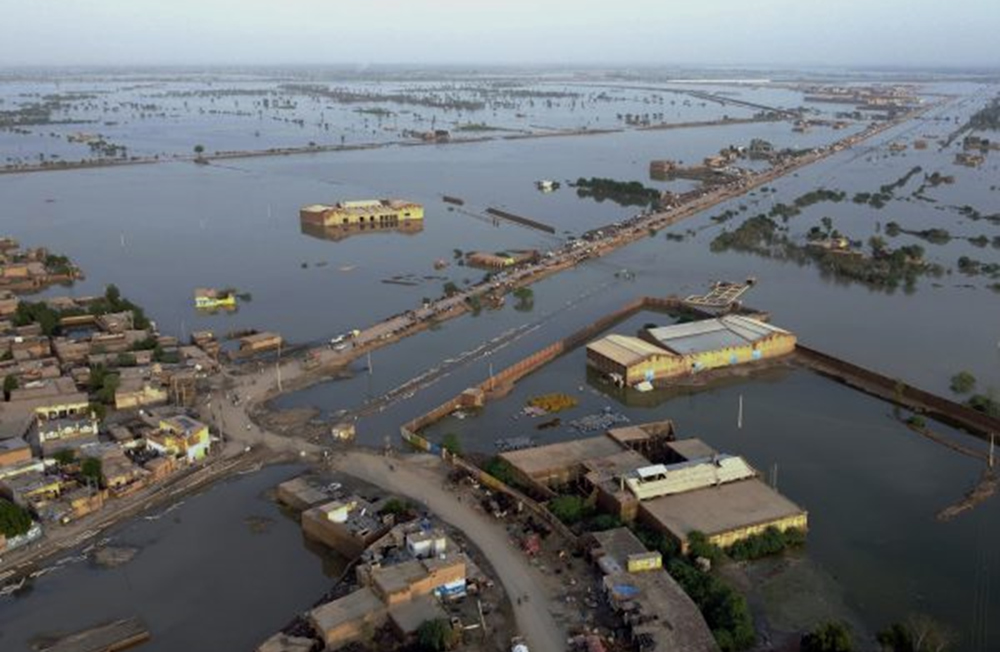
Heat had accelerated glacier melting in the north of Pakistan, followed by unprecedented rainfall patterns in many parts of the country in July and August. Climate change has caused unusual weather events including a once in a 100-year heat wave and rainfall over nine times the average rainfall in Pakistan's Sindh province. It was estimated that the number of people affected by the floods was around 33 million.
Floods in Pakistan have caused irreparable damage to the country's agricultural output this year. The damage to agricultural land in the country is over two million acres of crops and orchards as reported by the United Nations.
Floods have created massive food shortages within Pakistan, leading the country to consider ending a three-year ban on imports from India. This has led to concerns over how flood damages in Pakistan will affect global agricultural markets. After all, the country is one of the most important exporters of cotton, rice and wheat.
Pakistan may face a wheat shortage of over 2.6 million tonnes. The total economic damages caused by the shortage are approximately US$550 billion.
Due to food shortages, Pakistan has to resort to importing vegetables and grain from Iran and Afghanistan. The situation had gotten so dire that the country is considering suspending the ban on Indian imports.
Pakistan was initially dependent on India for meat, cotton, wheat and cereal flour imports. However, with the ban enforced, the country replaced Indian imports with those from Brazil, the United States and China.
Meanwhile, torrential rains hit parts of South India while they almost entirely missed food-producing Indian states like Punjab, Jharkhand and Chhattisgarh. These rains adversely affected the next sowing season.
Due to excessive rains in India, crops standing in fields are affected and damaged. This will reduce crop production this year.
All major crops like paddy, corn, other coarse grains and oilseeds will be affected, thus reducing the supply of raw materials to the animal feed sector. Prices of raw materials are expected to remain high due to tight supply.
Agri-exports are a key target area for the Indian government's spending plans. While expenditure initially saw a positive rise, the government's target of US$23.6 billion is unlikely to be met.
So far, the government has banned exports of wheat flour as inflation hit hard. Indeed, Delhi's promise to feed the world in the wake of a wheat crisis due to the Ukraine war had to be abandoned as India's own wheat crop was hit by extreme heat. Neighbouring countries like Nepal, Bangladesh and Sri Lanka, depend on the country for food and feed.
- Dr. Dinesh Bhosale


