


November 7, 2023
Invasive Asian longhorned ticks pose a growing threat to cattle in Ohio, US
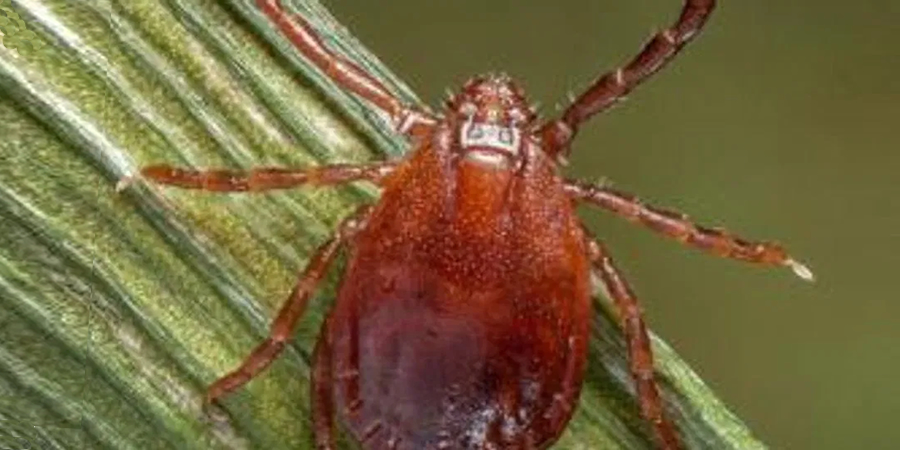
The invasive Asian longhorned tick has been recognised as a significant threat for cattle in Ohio, United States, raising concerns about potential disease transmission in the state, Earth.com reported.
Researchers from The Ohio State University (OSU) have reported their concerning findings in the Journal of Medical Entomology, confirming the establishment of the first known population of this invasive species within the state.
In 2021, the presence of these ticks reached a critical level on a farm in south-eastern Ohio, where an overwhelming number of ticks was linked to the deaths of three cattle. This incident involved tens of thousands of ticks infesting the animals, leading to a severe loss of blood.
Professor Risa Pesapane, a tick-borne disease ecologist and assistant professor of Veterinary Preventive Medicine at Ohio State, emphasised the ticks' potential for exponential growth and the challenges posed by their large numbers and resilience.
Professor Pesapane said that the ticks are going to spread to pretty much every part of Ohio, and they are going to be a long-term management problem.
She added that controlling these ticks is challenging due to their abundance and ability to return, even after pesticide applications.
The researchers are now focused on developing strategies for monitoring and controlling the tick population. They said that a comprehensive approach is needed to combat the infestation effectively, beyond conventional pesticide use.
The Asian longhorned tick, originally from East Asia, was first reported in the United States in 2017. Since then, it has been gradually spreading to neighbouring states. Professor Pesapane found the first of these ticks in Ohio in 2020 and collected more in 2021.
The health implications are significant, as these ticks have tested positive for pathogens that can affect both animals and humans. Cases of bovine theileriosis, a disease affecting cattle, have already been reported in Ohio, posing challenges for both the agriculture industry and public health officials.
To better understand and manage this invasive species, OSU researchers are urging Ohio residents to assist in their research by sending any ticks they find to the university.
Their goal is to create a comprehensive approach that includes early-season targeting of adult ticks, integrated pest management strategies, and policy recommendations for the agriculture industry.
- Earth.com


