


November 6, 2025
Zimbabwe relaxes corn import rules after cutting harvest forecast
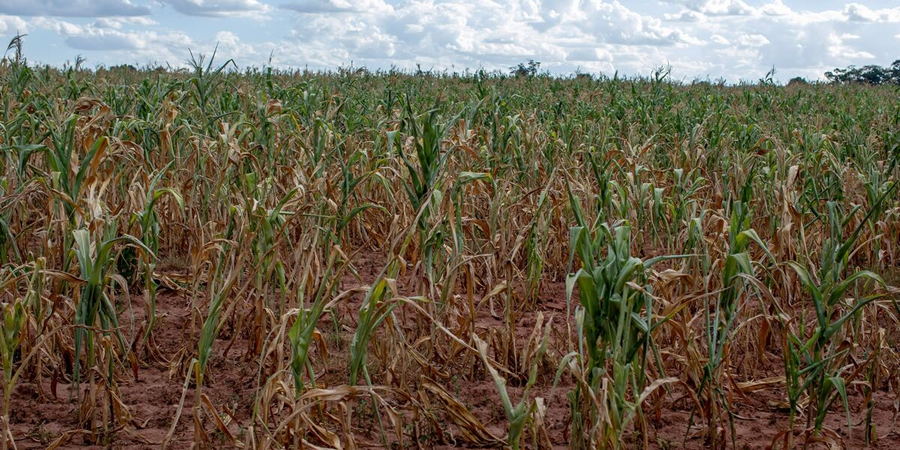
Zimbabwe has lifted its corn import ban for millers two months after imposing it, following an official downgrade of the 2024/2025 harvest.
Zimbabwe has struggled to produce enough of the staple grain since 2000 due to droughts and disruption to commercial agriculture after the seizure of highly productive farms, most owned by white farmers after colonists took them from black people early in the 20th century.
Zimbabwe banned corn imports in August, after projecting a 2.3-million tonne harvest that would be enough to meet the country's needs. However, a government notice seen by Reuters on October 19 said the authorities will now allow imports by contractors "in instances of need".
On October 14, the country's official statistics agency downgraded the government's initial projection to 1.8-million tonnes.
Zimbabwe has imported 65,090 tonnes of corn from South Africa since September, while the ban was supposed to be in place, according to South Africa's Agribusiness Chamber.
Soon after the import ban was announced, Zimbabwe's second biggest milling company was forced to suspend operations after running out of corn.
Though analysts say the country's grain harvest was probably overstated, farmer groups say the end of the state-owned Grain Marketing Board's (GMB) monopoly to buy grain had also disrupted the supply chain. Farmers and millers lack the collection and distribution infrastructure the state grain procurer has.
The GMB is now restricted to purchasing corn for strategic national reserves, with millers free to buy directly from farmers.
However, without the benefit of the GMB's national footprint of grain delivery points and with poor infrastructure adding costs to procurement, millers find it cheaper to import from neighbouring countries such as South Africa.
Imported grain also lands in Zimbabwe cheaper due to higher local production costs and the country's adoption of the US dollar, which is stronger than regional currencies.
- Times Live


