


November 6, 2025
USA: A new dairy superpower rises
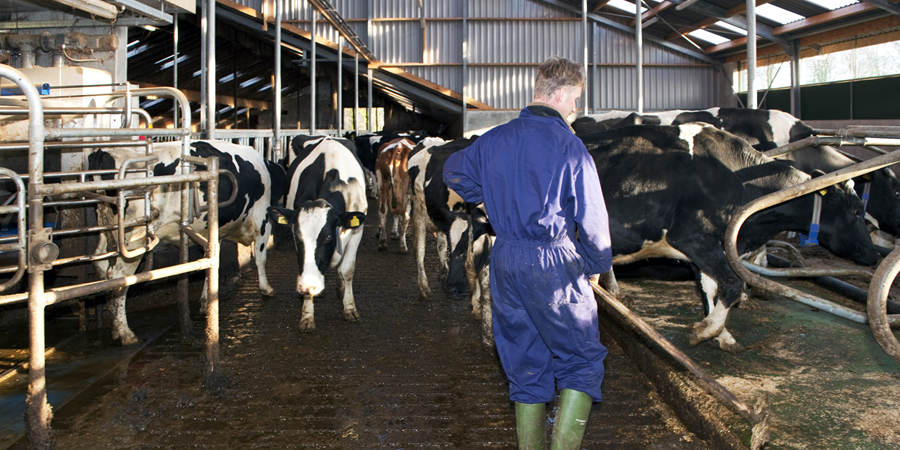
The global dairy export landscape is shifting as environmental regulations curb production in one of its long-standing leaders, the European Union.
With declining or static production in key dairy-producing countries and an insatiable consumer appetite for protein, the sector looks set for a prosperous few years.
But the list of chief beneficiaries looks set to change.
The EU has traditionally accounted for about 32% of global trade but regulations to control nitrogen and ammonium will start to affect it, with Rabobank expecting cow numbers to fall by up to 5% in the coming decade.
This will result in lower export volumes, with some predictions they could drop 40-50%.
That would usually open up new and existing dairy markets for traditional exporters such as New Zealand, but the major beneficiary is more likely to be the United States.
The US was a net dairy importer until 2004, but its milk production has grown by a third in the past 20 years to about 100 million metric tonnes, due mainly to increased per-cow performance from larger herds.
With its efficient cut-and-carry and supplementary feeding system, the US can ramp up production very quickly – and is preparing to do just that.
Large farming companies are establishing new herds – one of up to 25,000 cows – in states some distance from the traditional dairy area of California, due to water issues.
Dairy processors are building new billion-dollar factories to handle expected milk flows.
With the Russia-Ukraine war on its doorstep and other geopolitical issues, the EU has adopted a food security policy, but it still has environmentally heavy policies to curb discharges of nitrogen, through limits on applying of manure to land, and ammonium.
There is general agreement that those policies will reduce Europe's 19 million dairy cow herd, which farmers cynically claim is the aim.
Lawmakers counter that they are balancing farm production and environmental issues.
Since 2020, Europe's raw milk production has been consistent at around 160 million tonnes, but last year that was expected to drop to about 150 million tonnes due to falling cow numbers and lower profitability.
That trend is expected to continue.
Rabobank says European domestic demand for dairy will remain constant but export markets will miss out, opening opportunities for other exporters.
In 2024 European dairy exports were worth about NZ$36 billion (US$20.31 billion), of which 70% was cheese, butter and skim milk powder.
Another issue for the EU dairy industry is the recent signing of a free trade agreement with the four Mercosur countries, Argentina, Brazil, Paraguay and Uruguay.
The European Dairy Association was enthusiastic about the opportunities offered by a free trade agreement with countries that have an established dairy culture.
But it appears doubtful EU dairy exporters will service that market in the long term, given declining milk volumes.
That could open up opportunities for the world's new dairy superpower, the US.
- Farmers Weekly


