


November 5, 2025
Can beef cattle safely graze on corn that has sprouted in the field?
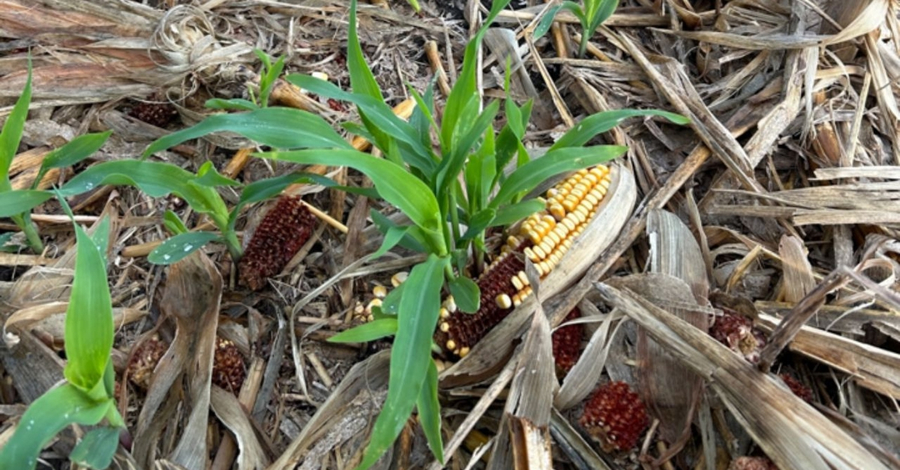
Each year brings unique weather challenges to Nebraska, USA, and the late summer and early fall of 2025 have been no different.
Early-planted corn was harvested in late September and early October, some of the earliest harvest dates in recent memory. Favourable late-summer rains and warm temperatures provided the "right" combination for excellent regrowth in bromegrass pastures. However, these same conditions also led to widespread germination and sprouting of corn kernels in harvested fields.
While a few sprouted kernels are common every year, this fall, many early-harvested fields have dense green growth of sprouted corn plants ranging from 3 inches to more than a foot tall. The following management tips can help producers safely and effectively graze corn residue fields with significant sprouting.
Management Tips for Grazing Corn Fields with Sprouted Corn
Assess Ear Drop and Residue Conditions
º Before turning cows out, walk the field to estimate ear drop per acre. If there are more than 15 ears total in three 100-ft rows, management to reduce grain intake is needed.
Recognise the Risk of Nitrates in Sprouted Corn
Sprouting is common, but this year's extensive regrowth increases potential risk.
Dealing with Nitrates
Turn cows out after noon, once they have eaten hay. This timing allows observation during daylight hours and reduces the risk of overconsumption.
With more sprouted corn than usual in 2025, it's essential to evaluate fields before grazing, test for nitrates, and manage turnout carefully. These steps will help minimise risk while making effective use of valuable fall residue.
- Beef Magazine


