


November 4, 2024
Scotland, UK Atlantic salmon production falls amid environmental challenges, recovery expected in 2024
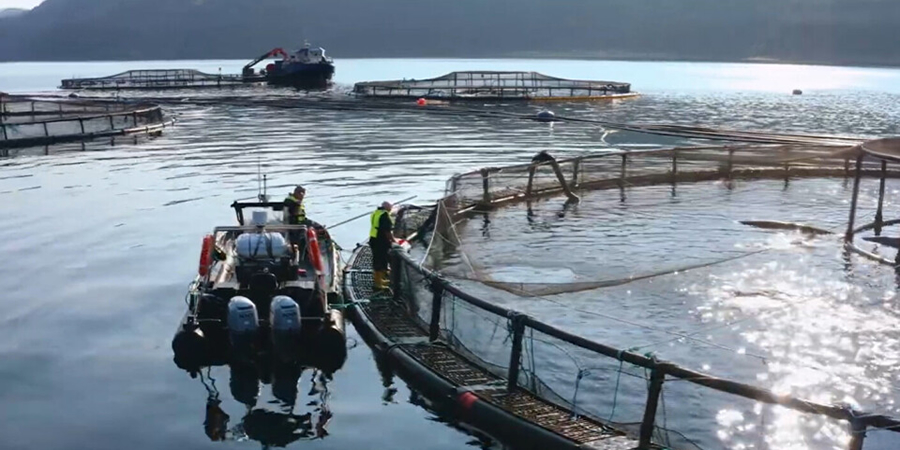
Scotland, UK's Atlantic salmon production decreased by 18,245 tonnes (11%) in 2023, totalling 150,949 tonnes (live weight), according to the Scottish government's Fish Farm Production Survey, Fishfarmingexpert reported.
The report confirms ongoing difficulties in the sector over the past two years, with warmer-than-usual sea temperatures largely contributing to the decline.
For salmon smolts introduced to sea in 2021, the survival rate to harvest reached a 30-year low of 68.7%. Among the environmental challenges, fish farmers faced an increase in micro-jellyfish and amoebic gill disease in 2022 and 2023, further affecting survival rates.
Scottish salmon producers have responded by investing millions in health and survival initiatives, including expanded freshwater treatment capacity to address gill disease and sea lice. These efforts, along with this year's lower sea temperatures, are expected to yield an increase in 2024's harvest. Projections estimate production at 185,207 tonnes live weight, surpassing both 2023 and 2022's total of 169,194 tonnes but still below the 2021 peak of 205,393 tonnes.
The sector's trade body, Salmon Scotland, reported a notable improvement in survival rates, with 98.18% of salmon on Scottish farms surviving through September - often a challenging month for salmon. Throughout 2024, monthly survival rates have remained strong, reaching a high of 99.03% in June.
The number of salmon smolts produced in 2023 dropped by 3.6 million (7%) to 51.5 million. This shift may reflect an industry trend towards larger smolts, aimed at boosting fish health and survival rates.
In addition to salmon, Scotland's rainbow trout production rose by 6% in 2023, achieving a record level of 9,258 tonnes. Conversely, production of brown and sea trout decreased to 16 tonnes over the same period.
The survey also noted a slight decrease in employment within the industry. In 2023, 1,480 staff members were directly employed in salmon production - a reduction of 28 compared to 2022. These figures pertain solely to staff involved in seawater production and do not include employees in processing or marketing roles.
- Fishfarmingexpert


