


November 3, 2025
Mexico aims to eliminate screwworm through new sterile fly facility
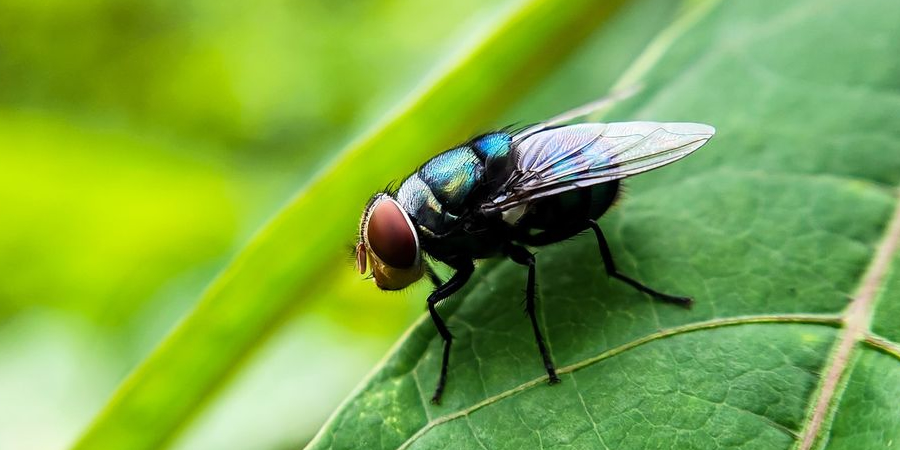
In the humid lowlands of southern Mexico, engineers, veterinarians, and entomologists are working urgently to repurpose a facility that will play a crucial role in eradicating the flesh-eating screwworm parasite, which threatens the nation's cattle industry and has heightened tensions with the United States.
Inside what was once a facility used to help control Mediterranean fruit flies, workers are dismantling old infrastructure and rebuilding specialised laboratories designed to mimic the conditions of an animal wound, which screwworm flies seek in order to lay their eggs.
The transformation is part of Mexico's urgent bid to start domestic production of sterile screwworm flies, a proven method to eradicate the pest that burrows into the flesh of warm-blooded animals, often killing livestock if left untreated.
The plant aims to be ready by July 2026 and would double the number of sterile flies Mexico can release into the wild.
The screwworm outbreak, which has moved northward through Central America and deep into Mexico, has strained relations with the United States, Mexico's biggest trading partner. The US has kept its border mostly closed to Mexican cattle imports since May.
The US invested US$21 million towards the $51 million facility in Chiapas state.
On a tour of the plant, officials explained the complex epidemiological process, stressing the time it takes to build the right conditions.
The technique involves breeding millions of flies, sterilising them with radiation, and releasing them into the wild. When sterile males mate with wild females, no offspring are produced, and the population collapses over time.
Mexico first used the method decades ago, successfully eradicating the screwworm after a 19-year campaign.
At the biofactory in Metapa, engineers are adapting the existing infrastructure to breed the screwworm fly instead of the Mediterranean fruit fly. The plant already has a power substation, air systems and sterilization equipment, which has helped shorten construction time.
"Starting from scratch could take three or four years to set up a sterile fly production plant," said engineer Hunberto Gomes. "Therefore, we saw advantages in terms of its capacity, which is 2,016 square meters, we will convert into a production of 100 million flies weekly."
For now, Mexico depends on weekly shipments of around 100 million sterile flies from a plant in Panama. The flies are flown into Chiapas, packed into temperature-controlled boxes and loaded onto planes for release over infested zones in Chiapas, Oaxaca and Veracruz. Each plane follows a grid pattern designed to blanket outbreak areas with sterile males.
"If we hadn't used this technique, the entire country would likely already be infested," said coordinator Jose Luis Quintero.
Mexico's efforts are coordinated through Senasica, the sanitation agency of the agriculture ministry, which oversees the plants and the field campaigns.
Officials said they hope the Metapa plant will accelerate the pace of sterile fly releases to speed the eradication process.
"The screwworm was eradicated once before in Mexico — it took 19 years. We hope to do it in far less time," Quintero said.
- Reuters


