


November 3, 2023
Canadian dairy producers slow to adopt methane emission reduction tool
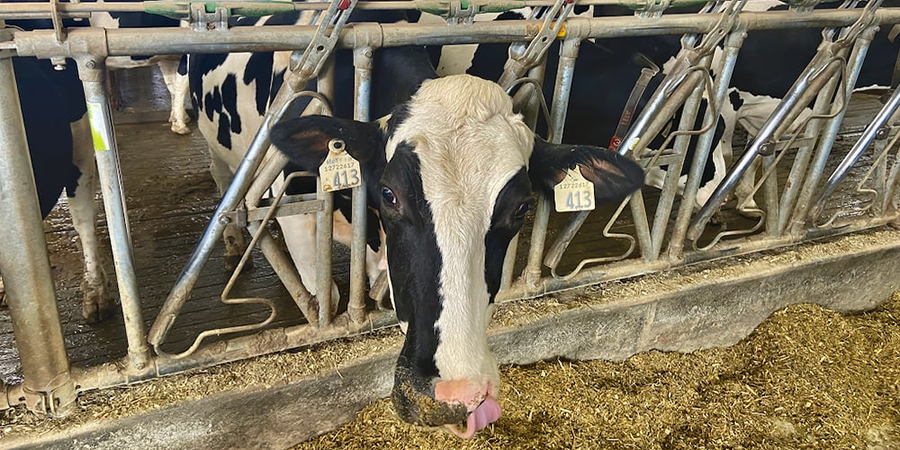
Adoption of a new breeding tool aimed at reducing methane emissions in Canadian dairy herds has been slow, according to representatives from Semex Alliance, a genetic company, Farmtario reported.
Despite the slow uptake, both Semex and its partner in developing the tool remain optimistic about its long-term potential.
The Canadian dairy sector has set commitments to address climate change, including goals for lowering methane emissions from cattle. But individual producers are taking their time to weigh these goals against farm sustainability.
Semex, which offers semen and genetic services, collaborated with Lactanet, a nationwide dairy genetic data and milk sampling organisation, to research and develop an index that predicts the methane emissions of offspring from bulls. This methane efficiency index was released in April.
While Semex Alliance's Dairy Innovation Centre showcased the methane efficiency index at Canada's Outdoor Farm Show, sales director Jamie Howard noted that adoption has been slow. He remains optimistic, believing that producers are taking time to determine how methane efficiency fits into their breeding programs and what priority to assign to it.
Lactanet's chief services officer, Brian Van Doormaal, said that the methane efficiency index is relatively new, and there was never an expectation for rapid changes in genetic programs regarding emission reduction. The main intent was to spark discussions and raise awareness among dairy farmers about methane efficiency and feed efficiency in relation to methane emissions.
Howard said that EastGen is committed to facilitating these discussions, emphasizing the importance of conveying the message that the industry is working towards climate action goals.
Van Doormaal explained that currently, Canadian producers neither receive compensation for reducing emissions on their farms nor face penalties for failing to do so. However, such incentives and penalties have been introduced in other parts of the world, and discussions about these measures are ongoing in Canada due to the federal government's climate change commitments.
In the short term, Van Doormaal encourages producers to recognize the strong correlation between methane efficiency and the previously released feed efficiency genetic index. Cows that efficiently convert feed into milk emit less methane per litre of milk produced. Therefore, even those primarily focused on building more feed-efficient herds should consider the methane efficiency index as part of their breeding strategy.
Lactanet is leading three methane-focused research projects with government funding approval. The first project involves collecting more Canadian data to support and potentially expand the methane efficiency index. The second project explores new methods for collecting emissions samples, including the use of "sniffers" attached to robotic milkers. The third project examines variations in methane efficiency as dairy animals age and grow.
- Farmtario


