


November 3, 2022
Indian poultry deals with higher feed costs, increased demand for cold chain automation
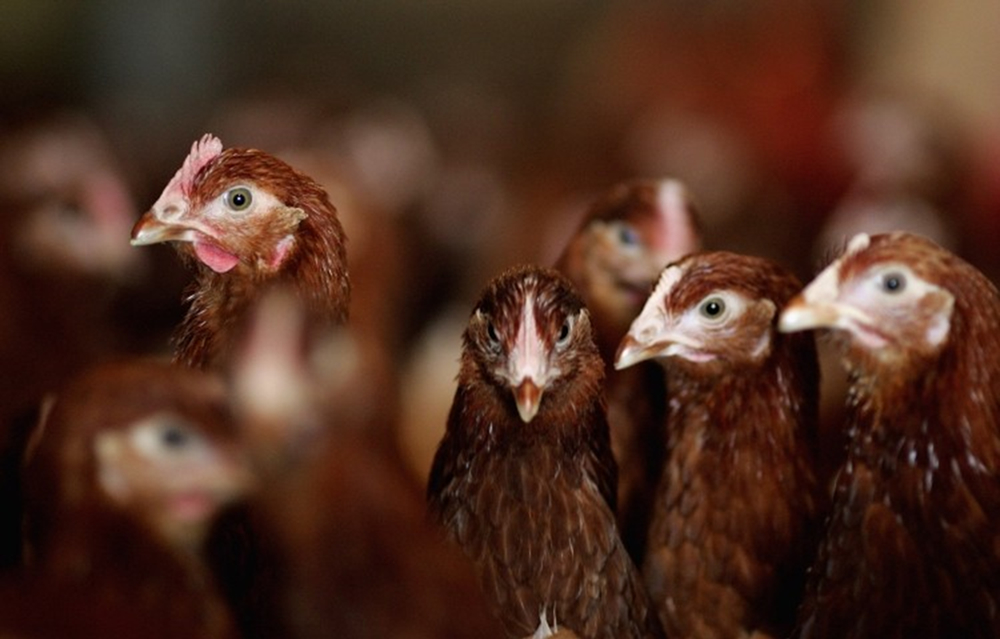
Since the final week of July 2022, India's chicken consumption dropped by 30-40%, with this expected to remain at similar levels until the end of October.
Higher monsoon rains have affected the movement of live chickens and eggs from production sites to consumption centres. Meanwhile, higher raw material prices have pushed the production costs of live broilers and farm gate selling prices are now below production costs. Past exports of grains like wheat, maize and broken rice further increased domestic prices.
Last May, India banned the export of wheat while orders, which prohibited the exports of wheat flour, maida, semolina and wholemeal aata, were issued in August. Its recent ban on the export of broken rice and imposition of 20% export duties on other non-basmati rice was criticised by World Trade Organization members like the United States and the European Union. The country clarified that the export prohibition was only on broken rice that is domestically used in poultry feed.
Restrictions were imposed following concerns of domestic shortage and price increases. India also underlined that its export restrictions were necessitated by food security needs.
It's expected that India's new soybean season will start with opening stocks of more than two million tonnes of soybeans. The country's soybean cultivation is planted at around 12 million hectares this year.
Another challenge the Indian poultry sector faces is the need for cold chain automation which sees a shortage of skilled manpower. The demand for this segment will grow as poultry processing expands.
The government is already pushing the expansion of the cold chain segment by providing subsidies. Subsidies to set up cold chain systems range from 35% to 50% for capital equipment.
- Dr. Dinesh Bhosale


